
Contaminated 'Shire' and 'Ayilor' Found in Kumasi Markets
Noble Quansah
Journalist · Ghana Ntentan
Advertisement
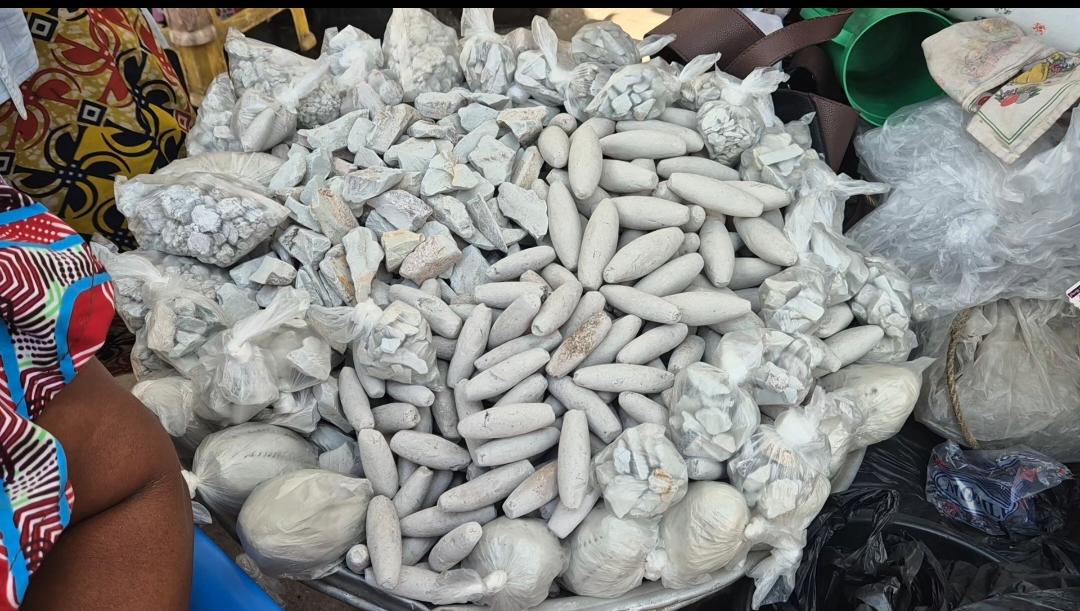
A recent study conducted by scientists at the Soil Research Institute (CSIR-SRI) has revealed alarming levels of heavy metal contamination in geophagic clays, commonly known as 'Shire' or 'Ayilor', sold in Kumasi markets. These clays, often consumed by pregnant women for relief from various discomforts, were found to contain dangerously high concentrations of lead and other toxic elements. The research, led by Dr. Albert Kobina Mensah, involved sampling 40 baked clay products from eight major markets in Kumasi. The analysis indicated that the lead levels in the samples were approximately 60 times higher than the safety limits set by the Food and Agriculture Organization (FAO) and the World Health Organization (WHO). Prolonged consumption of these contaminated clays poses serious health risks, including potential kidney, liver, and heart complications, as well as an increased cancer risk. This study highlights the need for awareness regarding the health implications of consuming contaminated soil, particularly among vulnerable populations such as pregnant women. The findings are part of a broader investigation into geophagy, a cultural practice in Ghana that involves the consumption of soil or clay.
Advertisement
About the Author
Noble Quansah
Journalist at Ghana Ntentan
Noble Quansah covers the latest developments in Ghana and across Africa for Ghana Ntentan. With a focus on accurate reporting and in-depth analysis, they bring context and clarity to the stories that matter most to Ghanaians.