
Deputy Minister Sulemana Announces Ghana’s Four Bilateral Carbon Deals, Pushes COP30 for Recognition of High-Integrity Forest Credits
Gladson Afriyie
Journalist · Ghana Ntentan
Advertisement
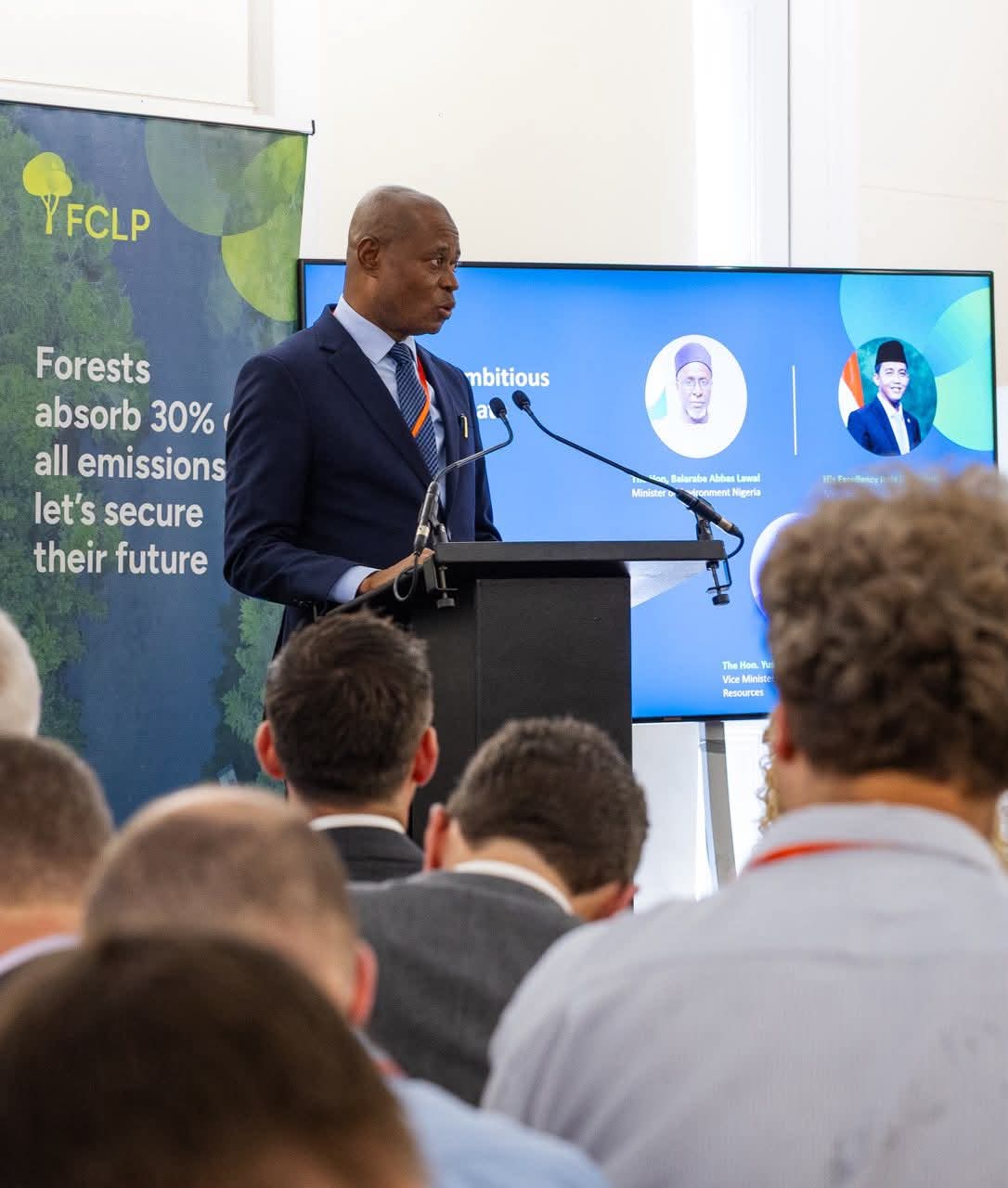
Deputy Minister for Lands and Natural Resources and Bole-Bamboi MP, Hon. Alhaji Yusif Sulemana, led a government delegation to this year’s London Climate Action Week at Kew Gardens, where he outlined Ghana’s 10-year track record in forest climate action and pushed for stronger global frameworks ahead of COP30.
Speaking on behalf of the Government of Ghana, Hon. Sulemana said the country’s journey has moved from early REDD+ initiatives to now leading on next-generation jurisdictional REDD+ (JREDD+) under Article 6 of the Paris Agreement.
“These early efforts helped us strengthen our monitoring systems, improve governance, and build the institutional foundations needed for high integrity forest carbon programmes,” he told participants.
The Deputy Minister highlighted three key milestones:
Results-based payments secured through the Forest Carbon Partnership Facility and the Green Climate Fund, backed by strong monitoring and governance systems, Global partnership where he disclosed that Ghana has signed four bilateral carbon deals with Switzerland, Sweden, Singapore, and South Korea.
Also Higher ambition, he said Ghana has doubled the emission reductions offered for Article 6 transactions in its updated Nationally Determined Contributions (NDCs).
Hon. Sulemana laid out Ghana’s four-point agenda for COP30, COP31, and COP32:
Firstly was on Alignment across Rio Conventions – UNFCCC, CBD, and UNCCD – to avoid conflicting rules for countries running jurisdictional programmes.
Secondly, International recognition of high-integrity jurisdictional credits, with clear pathways for use by companies and countries to unlock demand and investment.
Again, Fair and sustainable carbon pricing that reflects the true cost of protecting and restoring forests.
And Fair value for communities and governments* to sustain long-term climate ambition.
“Forest countries cannot deliver high quality mitigation at scale if carbon prices remain disconnected from the true cost of protecting and restoring forests,” he stressed.
Hon. Sulemana reassured participants of Ghana’s readiness to work with the COP30, COP31, and COP32 Presidencies.
“With the right framework and political will, forests can deliver massive climate and livelihood wins by 2030,” he said.
Advertisement
About the Author
Gladson Afriyie
Journalist at Ghana Ntentan
Gladson Afriyie covers the latest developments in Ghana and across Africa for Ghana Ntentan. With a focus on accurate reporting and in-depth analysis, they bring context and clarity to the stories that matter most to Ghanaians.