
Govt to Tackle Obstetric Fistula Under Free Primary Healthcare, Train Urogynecologists — Dep. Health Minister
Gladson Afriyie
Journalist · Ghana Ntentan
Advertisement
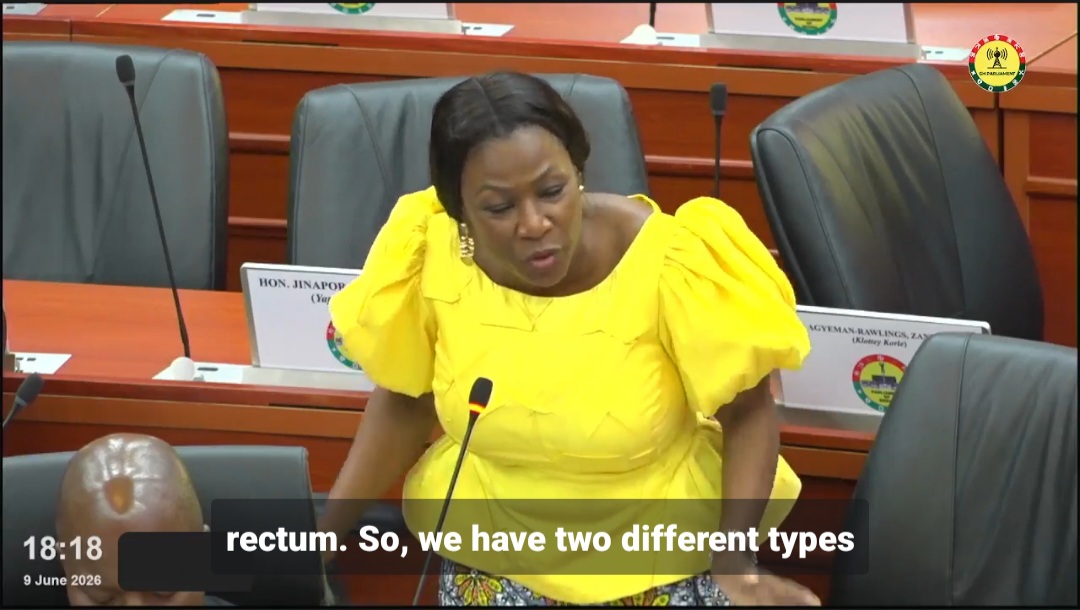
Hon. Dr. Grace Ayensu-Danquah, Member of Parliament for Essikadu-Ketan and Deputy Minister for Health, has outlined plans to embed obstetric fistula prevention and treatment into the free primary healthcare programme while building specialist surgical capacity under the Mahama Cares initiative.
Contributing to a statement on the floor of Parliament, the Deputy Minister explained the devastating impact of fistula on women. “When it’s a VVF, the woman is constantly leaking urine. When it’s recto vaginal, the woman is constantly leaking stool,” she said. “Most of them their husbands leave them with a baby and they can’t even go to work… because of that they are stigmatized.”
Hon. Ayensu-Danquah disclosed that Ghana recorded about 955 maternal deaths last year, warning that the trend is worsening. “The maternal mortality index in Ghana is trending the wrong direction,” she told the House. “Last year we had about nine hundred and fifty-five women die in pregnancy or while they were getting delivery.”
The Deputy Minister said fistula interventions will be placed under free primary healthcare instead of Mahama Cares, because most deliveries occur at lower levels of care. “Most of these deliveries are happening at the CHPS compound level, at the health centre level and also at the polyclinic level,” she noted.
“So the free primary health care will capture this condition because we can also use the community health nurses to talk about community sensitization.” She said over 80% of women attend skilled birth deliveries, suggesting gaps in early risk identification. “Either we are not identifying them at the source… or that there’s something inherent in the operations that we are doing.”
While prevention and detection sit with primary healthcare, surgical capacity will be built through Mahama Cares. “With the Mahama Cares we will train the specialist who are going to do these operations because you need a urogynecologist,” Hon. Ayensu-Danquah said. “A urogynecologist will not only work on fistulas but can also do other complex operations.”
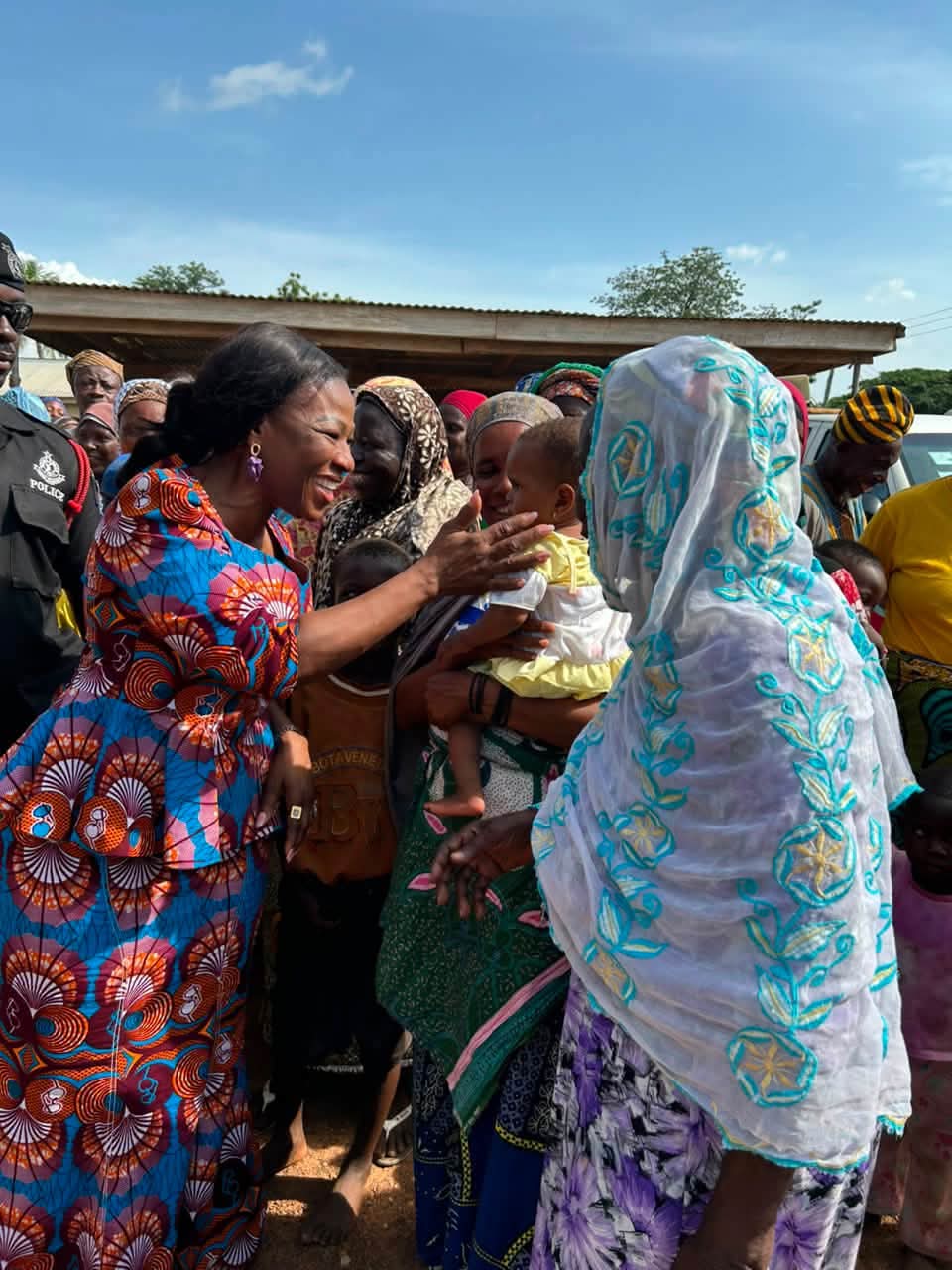
She revealed that government, with UNFPA support, is establishing dedicated fistula centres. “We have stand-alone fistulas centres, one in Yendi where the family can even come and live there and then we can do the surgery and do appropriate post operative care,” she said. She added that she recently visited Kumasi, Yendi, and Tamale specifically on the issue.
The Ministry is finalizing a maternal mortality action plan with a “clear cut road map” that captures obstetric fistula under free primary healthcare.
Advertisement
About the Author
Gladson Afriyie
Journalist at Ghana Ntentan
Gladson Afriyie covers the latest developments in Ghana and across Africa for Ghana Ntentan. With a focus on accurate reporting and in-depth analysis, they bring context and clarity to the stories that matter most to Ghanaians.