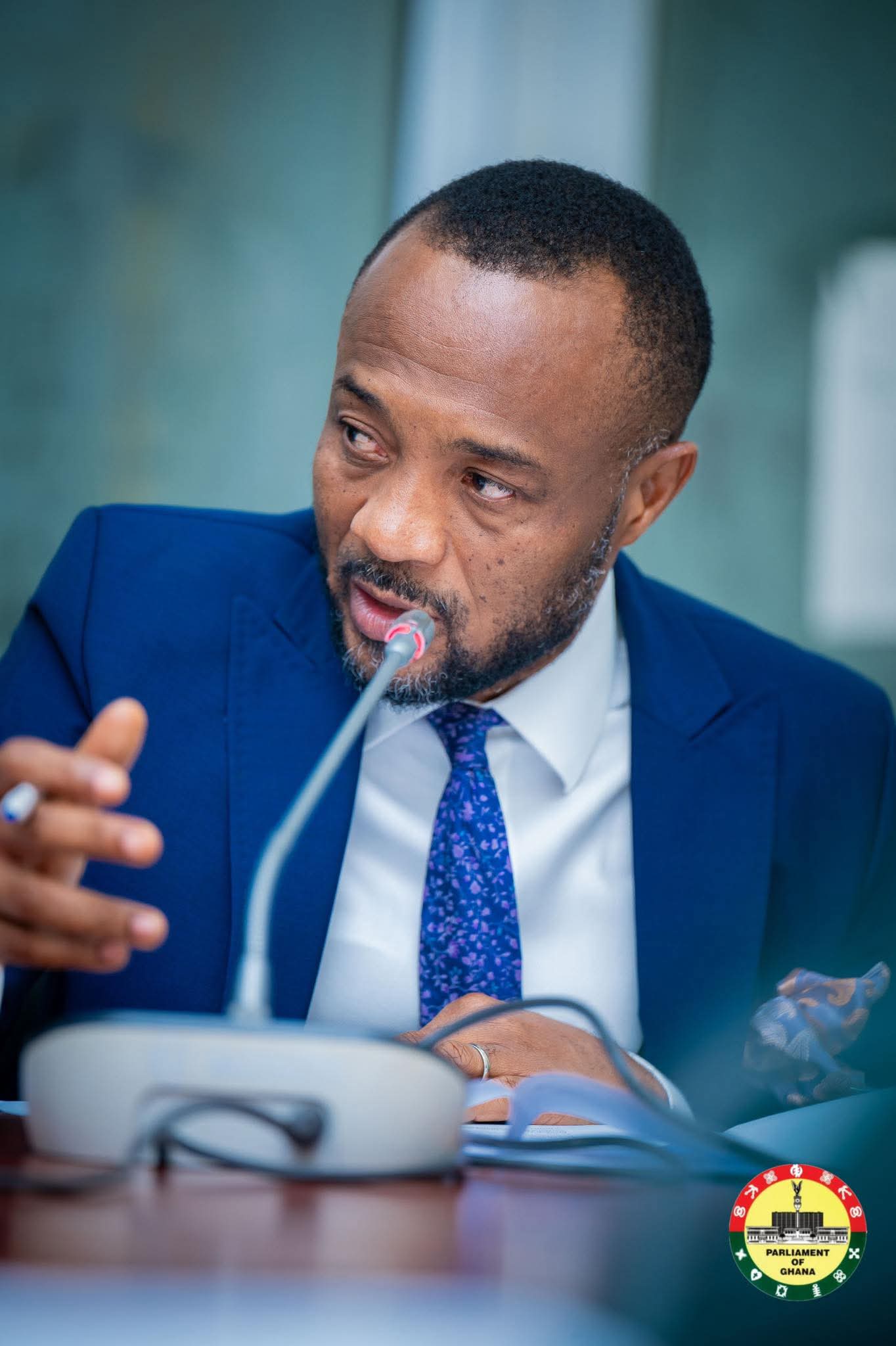

MP Titus Beyuo Urges Action on Preeclampsia as Ghana Marks World Awareness Day
Gladson Afriyie
Journalist · Ghana Ntentan
Advertisement
Ghana’s Parliament observed World Preeclampsia Day 2026 with fresh calls to detect the condition early and strengthen maternal health services to prevent avoidable deaths.
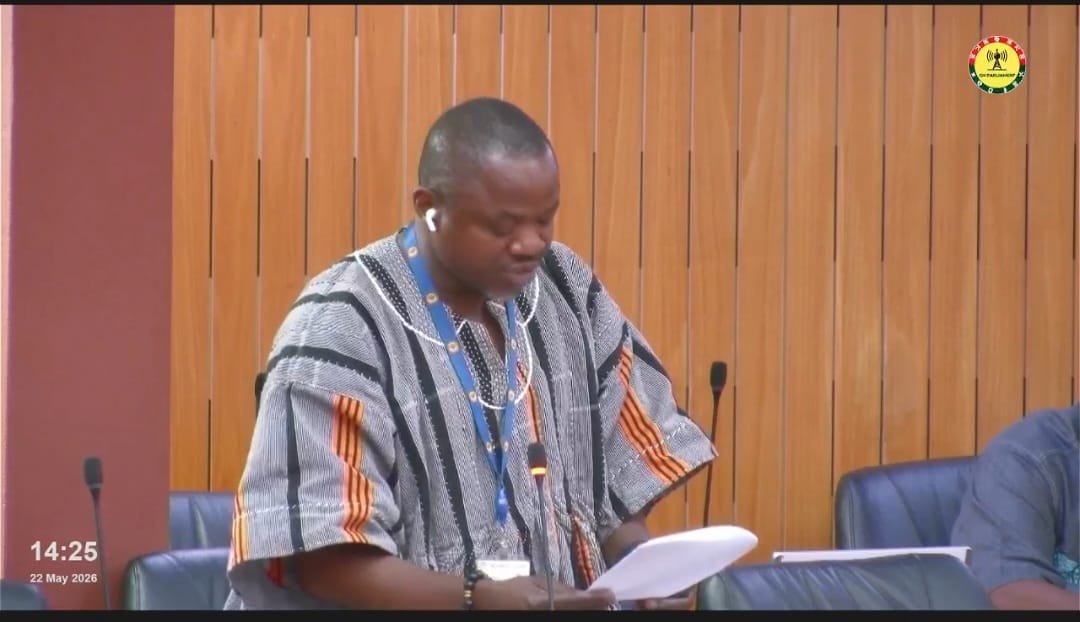
Lambussie MP Prof. Titus Kofi Beyuo, who addressed the House, called preeclampsia a “dangerous yet often silent” pregnancy complication. He said it still claims thousands of lives worldwide, with Ghana and other low- and middle-income nations hit hardest.
This year’s global commemoration falls on May 22 under the theme “Know Her Symptoms.” The goal: help communities spot warning signs so pregnant women get medical help quickly.
Prof. Beyuo had just returned from the WHO’s inaugural Global Preeclampsia Summit in Kigali, Rwanda. He told MPs the summit worked on a plan to eliminate preventable deaths linked to the condition.
He described preeclampsia as a pregnancy-related high blood pressure disorder that shows up with elevated BP and protein in urine. Left unchecked, it can harm the liver, kidneys, and brain. In severe cases it progresses to eclampsia, triggering seizures and forcing doctors to deliver the baby early, no matter the gestational age.
Quoting WHO figures, Beyuo said about 10 million pregnancies are affected each year, with 50,000 to 76,000 maternal deaths. More than 70% of those occur in low- and middle-income countries.
Now leading cause in Ghana’s teaching hospitals
“Preeclampsia has now surpassed haemorrhage as the main reason mothers die in our Teaching Hospitals,” he said. It ranks as the second leading direct cause of maternal deaths in Ghana and globally.
The cause isn’t fully understood but is tied to problems with how the placenta forms. Risk goes up with obesity, a previous case of preeclampsia, diabetes, kidney disease, and pregnancy at very young or older ages.
Because early preeclampsia often has no obvious symptoms, Beyuo said regular antenatal visits are vital. When it turns severe, women may experience headaches, blurred vision, pain in the upper abdomen, seizures, and organ damage.
He asked the Health Ministry to ensure every facility managing pregnancies has blood pressure machines, key medications, testing tools, and magnesium sulfate for severe cases.
He also urged government to use the Free Primary Health Care Programme to reach more women at risk of hypertension in pregnancy.
Advertisement
About the Author
Gladson Afriyie
Journalist at Ghana Ntentan
Gladson Afriyie covers the latest developments in Ghana and across Africa for Ghana Ntentan. With a focus on accurate reporting and in-depth analysis, they bring context and clarity to the stories that matter most to Ghanaians.