
Big Push Road Projects Cause 49% Of Ghana's Fibre Cuts - Sam George
Gladson Afriyie
Journalist · Ghana Ntentan
Advertisement
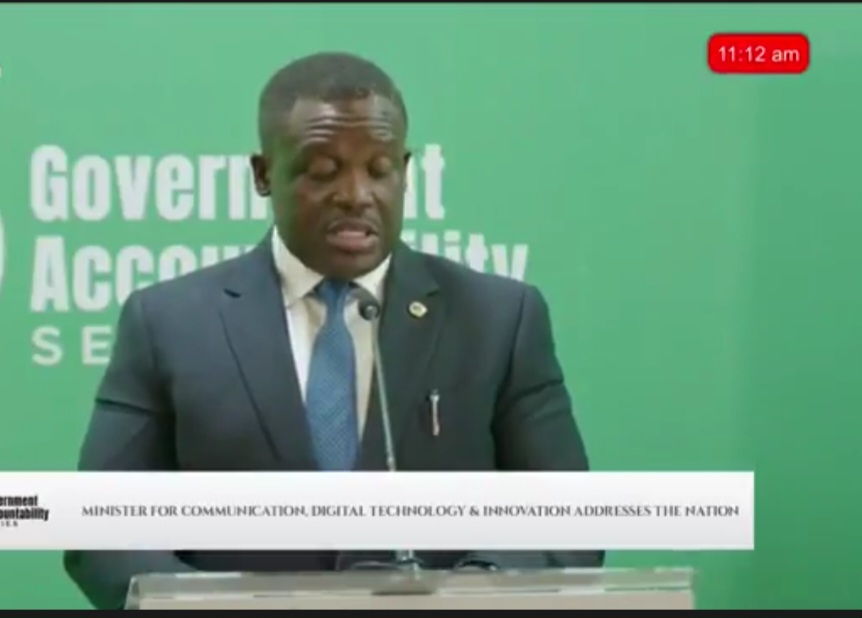
Minister for Communication, Digital Technology and Innovations, Sam Nartey George, has revealed that road construction works under government's Big Push programme are responsible for nearly half of fibre cuts in the country.
According to him, the activities of the Ministry of Roads and Highways have become the biggest threat to the country's telecommunications infrastructure.
Speaking at the Accountability Series on Monday, September 7, 2026, the Minister said Ghana has recorded 8,578 fibre cuts so far this year, costing over US$20 million in repairs.
He explained that the money spent on repairing cut fibres could have been used to build new telecom sites and expand network coverage across the country.
"That’s money that without the fibre cut we could have used to build new sites... The biggest source of fibre cuts is from the Big Push project because the Ministry of Roads is carrying out an aggressive project to construct roads across the country," he stated.
Sam George noted that road construction alone accounts for about 49 percent of all fibre cuts recorded in Ghana.
He added that the problem is not new. Ghana recorded about 3,900 fibre cuts in 2021, over 10,000 in 2022, more than 6,000 in 2023, and over 5,600 in 2024, with the figure rising to about 8,000 in 2025. He warned the country could record close to 9,000 cuts by the end of 2026 if the trend continues.
Despite the challenge, the Minister said government remains committed to expanding telecom infrastructure, with its target for new telecom sites increased from 50 in 2025 to 800 in 2026.
He stressed that protecting fibre infrastructure from damage is crucial to ensuring funds meant for expansion are not diverted into repairs.
Advertisement
About the Author
Gladson Afriyie
Journalist at Ghana Ntentan
Gladson Afriyie covers the latest developments in Ghana and across Africa for Ghana Ntentan. With a focus on accurate reporting and in-depth analysis, they bring context and clarity to the stories that matter most to Ghanaians.