
Ghana has not forgotten June. Floods swept through Accra and the Central Region and killed people. Now the weather agency is warning that the next test could be the opposite: heat, dust and a thirsty dry season.
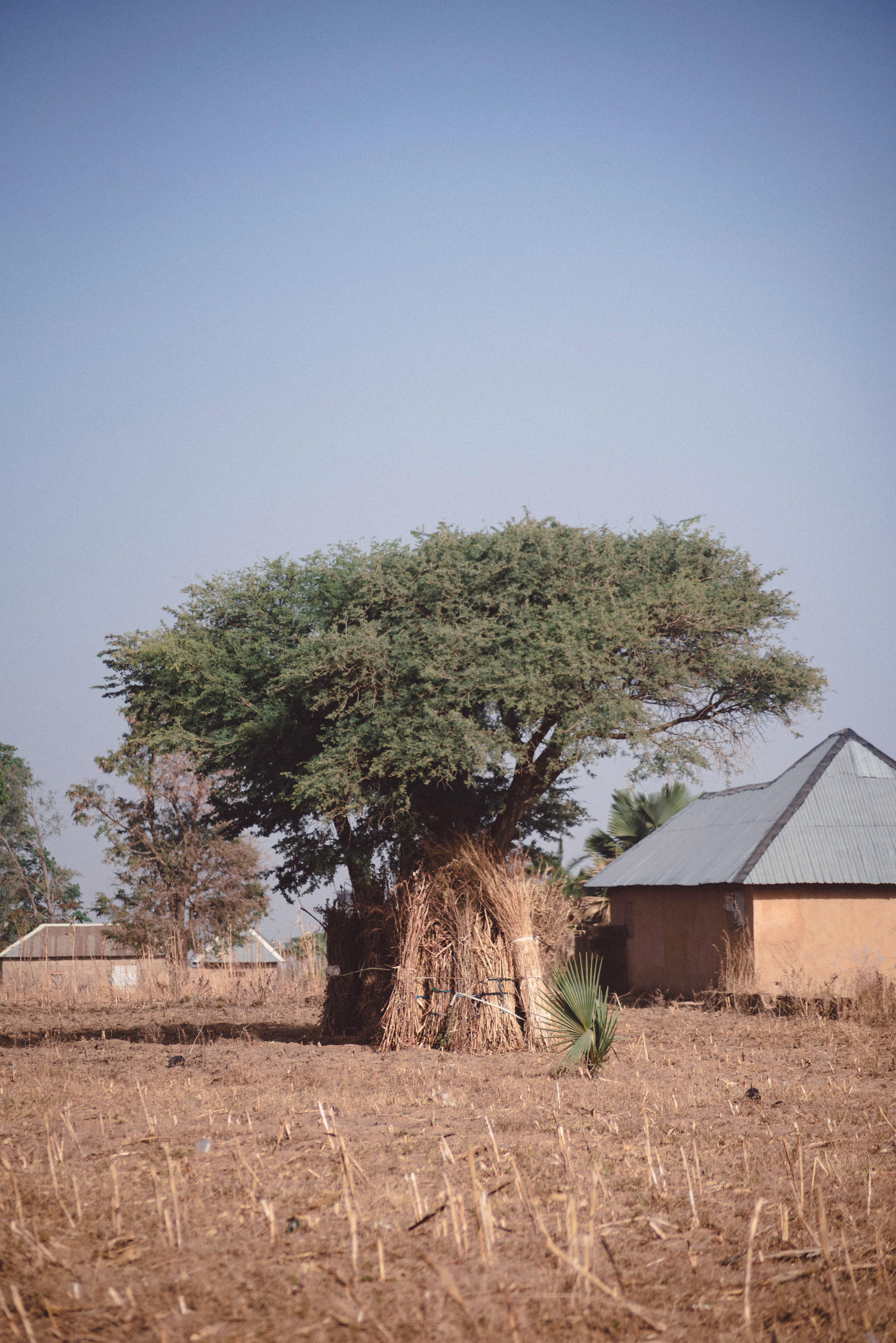
The Ghana Meteorological Agency (GMet) says a very strong El Niño is still building in the Pacific. In its 30 October advisory, it expects a hotter, drier and dustier dry season from late November, with bushfire, water shortage and crop stress as real risks. Heat stress should peak between February and April 2027, hitting the north hardest.
A record event, but not a guaranteed disaster
The World Meteorological Organization says Pacific sea temperatures could reach 3.8°C above average between November and January, which it describes as off its monitoring charts. That figure describes the ocean, not Ghana's weather.
GMet itself urges caution. Our rainfall depends heavily on Atlantic conditions, so effects will differ from place to place. KNUST climate scientist Dr Jeffrey Aryee makes the same point: El Niño shifts the odds, it does not hand down a fixed outcome. The 2027 rainy seasons remain uncertain, in both directions.
Why farmers should worry first
Ghana's farmers mostly depend on rain. In 2024, a dry spell across eight regions put almost a million farmers at risk. The government estimated potential losses equal to about 10 per cent of agricultural GDP and banned grain exports to protect supply.
Irrigation is the missing safety net. Estimates of irrigable land run to about 1.9 million hectares, yet only a small share is developed, and the figure varies by source. When rain fails, most farmers have nothing to fall back on, and city shoppers feel it at the market.
Power and health
GMet does not expect El Niño to squeeze hydropower this dry season unless lake levels are already low. The danger point is the 2027 rains that feed the Volta. A weak inflow season would shape electricity supply into 2028, so planning cannot wait.
Heat is the quieter threat. Farmers, traders, drivers, builders and security workers spend hours in the sun. Older people and young children suffer first. GMet and the Ghana Health Service plan joint heat advisories, and they need to reach people outside the cities.
Plans exist. Delivery is the test
Ghana launched its National Adaptation Plan in December 2025, with more than $20 billion needed through 2030. Paper plans do not move water to a farm. GMet wants a national task force of agriculture, health, energy, water, local government and finance officials, reporting to Cabinet every month.
That is a sensible start. Farmers need planting advice they can act on, irrigation schemes need repairs, and every district needs a plan for both drought and sudden floods.
The forecast is out and the timetable is clear. What remains is whether Ghana moves before the heat arrives.