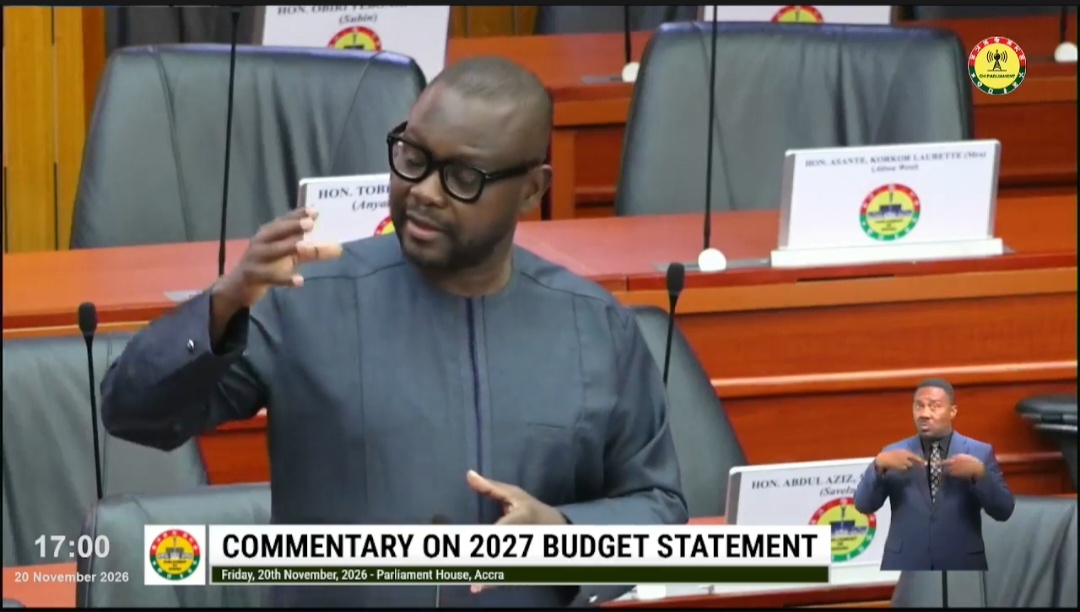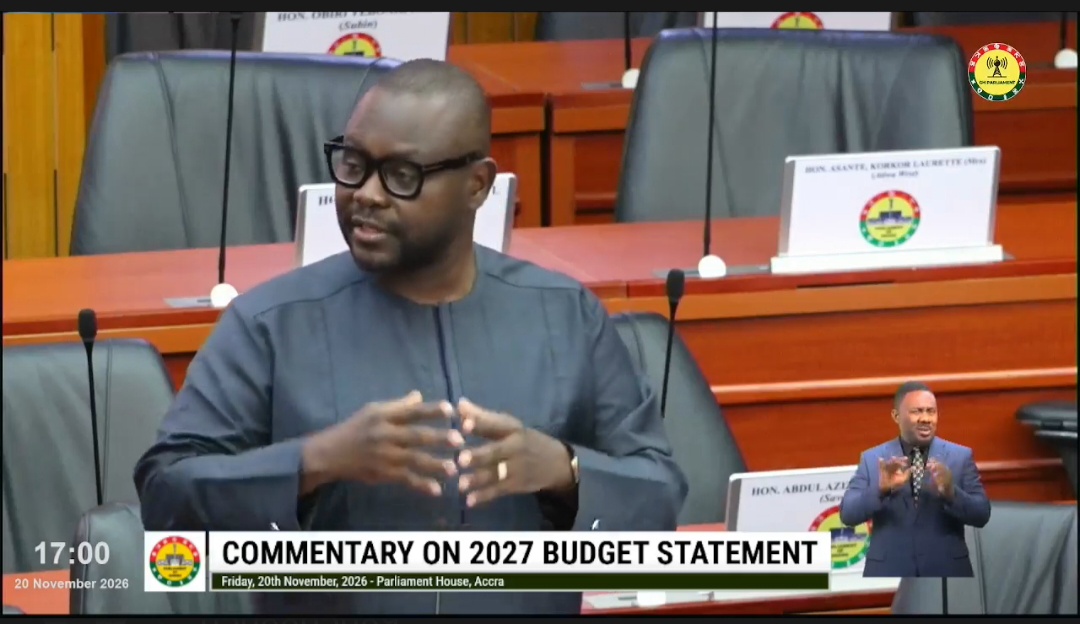

Offinso North MP, Hon. Fred Kyei Asamoah, says the exemption of government vehicles from compulsory insurance is a question of fairness that leaves poor victims without justice.
Contributing to a statement on the floor of Parliament by Minority Chief Whip, Hon. Frank Annoh-Dompreh, calling for an end to the exemption, Hon. Asamoah said the current arrangement makes it difficult for ordinary Ghanaians to get compensation.
"Whenever there's an accident and it involves the private sector, it involves a trotro driver or it involves a taxi driver you know where to go. By Act 42, when it involves the government it makes it very difficult because then you'll be advised write a letter to the Minister, engage a lawyer, sue the Attorney General," he stated.
"So it becomes a long winding process where most of the time these accidents are involving poor people and it becomes a justice delayed which is justice denied," he added.
Hon. Asamoah said insurance helps to compensate victims even though it does not prevent accidents.
He disclosed that insurance is something that helps to compensate, it doesn't prevent. So one thing we may want to focus on that in addition to insurance we want to look at prevention and prevention means maintaining our fleets, prevention means ensuring that our drivers are trained very well with defensive driving.
"But Mr Speaker doing all these doesn't mean you are going to prevent accidents. Accidents will surely come," he noted.
According to him, the state must lead by example.
"The state is asking the National Insurance Commission to enforce Act 42. Meanwhile the state itself is not going by that. And if there is an accident it doesn't matter who you are, even when you work for the state and there's an accident you need to be compensated," he argued.
He believe that the state must lead so that we can ensure justice and fairness for all.
He warned that when state vehicles are uninsured, the burden of hospital bills falls on victims, with some losing their lives and families left in limbo.
He said, if we do not ensure our vehicles and it's involved individuals, the burden of having to pay for hospital bills, some end up losing their lives, who takes care of their family is left in limbo and as such I think the state must once again lead by example.
Referencing the 2,949 deaths recorded in road crashes last year, the highest in 35 years, Hon. Asamoah questioned what happens to victims when the state is at fault.
"We are saying that 2,949 lost their lives last year which happens to be the highest in thirty-five years. Mr Speaker it's quite unfortunate and as such if we as a state do not ensure our vehicles what happens to these people if they are as a result of the state?" he queried.
Citing Article 17 of the Constitution which guarantees equality before the law, he asked whether the state is above the law.