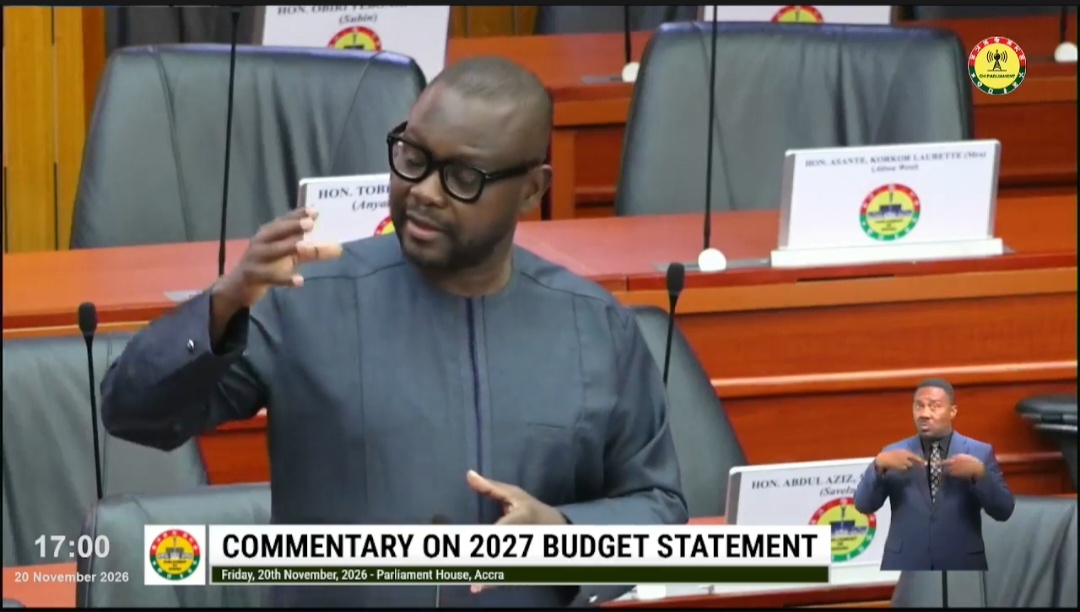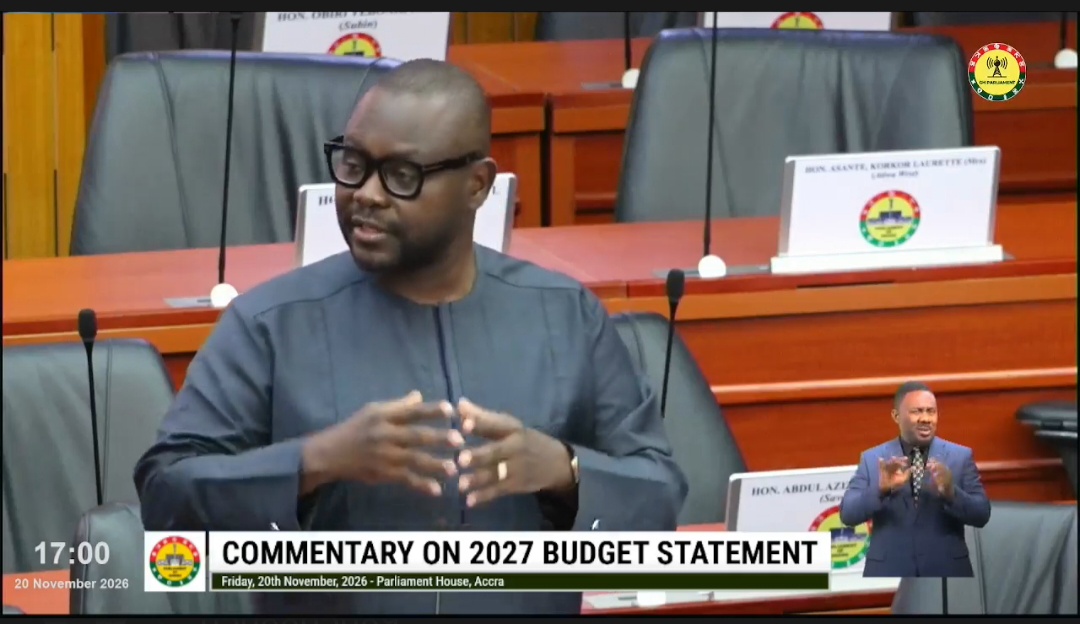

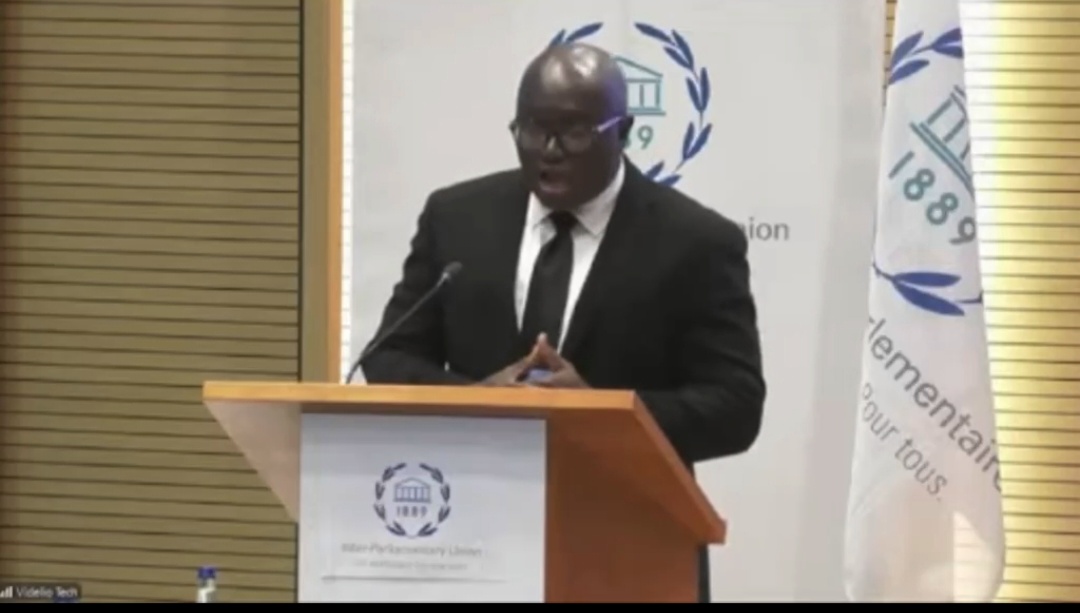
The Member of Parliament for Kumawu Constituency and Chairman of Parliament's Human Rights Committee, Hon. Ernest Yaw Anim, has presented the principal conclusions and recommendations emerging from the thematic sessions and opening session of the IPU Global Parliamentary Conference on Human Rights in Geneva.
Delivering the report in his capacity as Chairman of the Committee on Human Rights, Parliament of Ghana, Hon. Anim said one point had been particularly clear across all discussions: Parliaments have a range of practical ways to respond to human rights challenges.
He said the questions were often very concrete: who follows up on commitments, what information does a committee need to assess whether a policy is working, how can people affected by a law participate in its review, and how can Parliament apply the standards they promote to their own procedures and working environment.
"A recurring lesson is that effective action does not always require creating new institutions. Existing committees, hearings, budget debates and oversight procedures can often be put to better use," he said.
"What matters is assigning responsibility, asking for evidence of progress and returning to issues after the initial debate has ended."
Hon. Anim stressed that the recommendations were not an exhaustive account of every contribution, nor a single prescription for all parliaments, but practical options delegates may wish to consider and adapt to their national circumstances.
He then outlined six key recommendations from the opening session delivered by the Secretary-General of the IPU:
*1. Human rights as the job of the whole Parliament:* Human rights should be treated as the job of the whole Parliament, built into laws, budgets and oversight, not left to one committee.
*2. Systematic involvement in international processes:* Parliaments should be involved systematically in international human rights processes and follow up on their recommendations. This includes joining national delegations to UN reviews such as the Universal Periodic Review, following up on recommendations, and scrutinizing laws and budgets.
*3. Protect parliamentarians, civic space and open debate:* Protecting parliamentarians, civic space and open debate is essential to protecting everyone else. This requires strengthening institutional safeguards, supporting MPs who are targeted, and building a political culture where disagreement never justifies abuse.
*4. Make Parliament more inclusive and accessible:* Parliament should be made more inclusive, accessible and better equipped to scrutinize new risks.
*5. Keep scrutiny up with AI:* Parliamentary scrutiny and laws must keep up with AI so that discrimination, surveillance and unaccountable decisions do not become entrenched.
*6. Protect children and migrants:* Children's rights need protective laws, budgets and chances for children to be heard. Migrant rights need principled laws and oversight, even when the debate is polarized.