
Rejecting Cedi Coins is Illegal – Bank of Ghana Warns of Jail and Fines
Gladson Afriyie
Journalist · Ghana Ntentan
Advertisement
The Bank of Ghana is cracking down on the refusal of cedi coins, warning that anyone caught rejecting them could face arrest, a fine, or up to 3 years in jail.
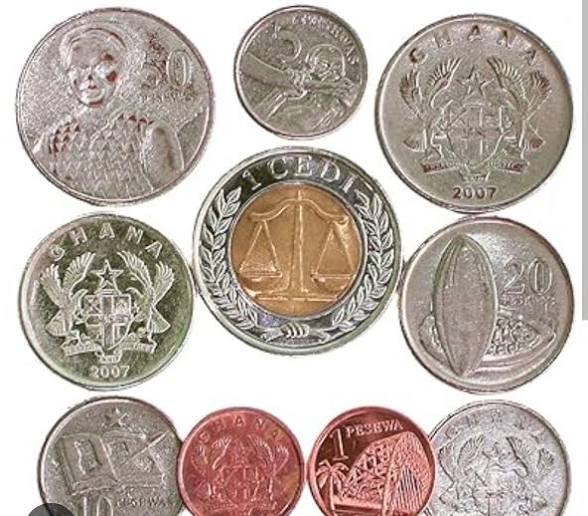
In a public notice issued on July 22, 2026, the central bank said it is concerned about the growing number of traders, transport operators and businesses turning away 1 pesewa to 50 pesewa coins, as well as the GH¢1 and GH¢2 coins.
According to the BoG, all coins currently in circulation are still legal tender. They have not been withdrawn or demonetized.
“No trader, transport operator, business entity, or individual can decide on their own to reject these coins because they are small, inconvenient, or not preferred,” the Bank stated. “All Bank of Ghana coins must be accepted for goods, services and payment of debts across the country.”
*What the law says*
Under Ghana’s Currency Act, refusing to accept valid cedi notes or coins is a criminal offence.
Anyone found guilty could face:
- *A fine*
- *Imprisonment of up to 3 years*
- *Or both*
The BoG added that people who tell others to reject the coins can also be held liable. Offenders can be arrested without a warrant*, and the Bank says it will work with the Ghana Police Service and other agencies to enforce the law.
*Why it matters*
The central bank explained that rejecting small coins hurts the economy, especially cash-based businesses and low-income earners.
It can lead to:
- Disruptions in daily cash transactions
- Price rounding and distortions
- Less use of lower denominations
- Reduced public confidence in the cedi
“The full range of the cedi must remain functional,” BoG said, stressing that coins are key to keeping small-value payments smooth in markets, trotro fares, and shops.
Advertisement
About the Author
Gladson Afriyie
Journalist at Ghana Ntentan
Gladson Afriyie covers the latest developments in Ghana and across Africa for Ghana Ntentan. With a focus on accurate reporting and in-depth analysis, they bring context and clarity to the stories that matter most to Ghanaians.