
TraffiTech-GH Is Watching Ghana's Drivers. Who Is Watching the Bus Stops?
Automated enforcement has arrived, and drivers must obey the law. But fair enforcement needs clear bus stops, usable walkways and proper terminals.
Try finding the bus stop at Kaneshie at rush hour. Between the vendors, the shoppers and the parked trotros, you may not. Now picture a camera watching the road and a police system ready to text the owner of every vehicle that breaks the rules.
That is the tension around TraffiTech-GH, the automated traffic enforcement system the Ghana Police Service began rolling out on 1 November. Drivers have to take it seriously. Government has to make compliance possible.
What the system does now
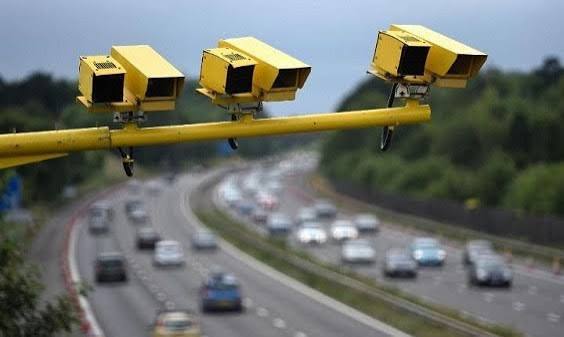
TraffiTech-GH uses fixed and mobile cameras, sensors and speed-measuring devices. A back-office team reviews the evidence before an Electronic Notice of Violation goes by SMS to the registered owner. For now it covers speeding only. Overtaking, tailgating and red-light offences are expected later, and officers will keep enforcing other offences by hand.
The general limits under the Road Traffic Regulations, 2026 (L.I. 2519) are:
• 30 km/h near schools, markets, health facilities and places of worship
• 50 km/h in built-up areas
• 90 km/h on highways
• 100 km/h on motorways
A missing speed-limit sign is no defence.
If a ticket arrives
You have 14 days to pay or contest it online. Reports say payment goes through ghana.gov.gh or *222#, and you can check for fines on *220#. Never send money to a personal mobile money number. A contested ticket goes to court, where police must prove the case. An unpaid fine attracts a daily penalty and can lead DVLA to block licence renewals and vehicle transfers. Six offences in two years can mean a suspended licence.
The notice goes to the registered owner, whoever was driving. If you sold a vehicle and never updated DVLA, you could be paying for someone else's speeding. Confirm current fines and procedures on the Police Service website.
The drivers have a point
On 15 October, three commercial driver groups gave authorities seven days to clear traders from bus stops, lorry parks and walkways before the system went live. They named Kaneshie, Circle, Madina, Kasoa and Kejetia, among others. "We cannot digitalise illegality," they said. They also cited rules already barring trade on bus stops, road shoulders and walkways.
A camera cannot tell why a trotro stopped in the wrong place. Today's cameras punish speed, not stopping, so a blocked bay won't produce a ticket. But once other offences are added, a driver who cannot reach the proper stop will pay for an obstruction he did not create.
Lapaz shows the limits of one-off clearances