
We Must Break the Flood Cycle’ — Weija-Gbawe MP Jerry Ahmed Shaib Calls for Shift from Disaster Response to Water Management
Gladson Afriyie
Journalist · Ghana Ntentan
Advertisement
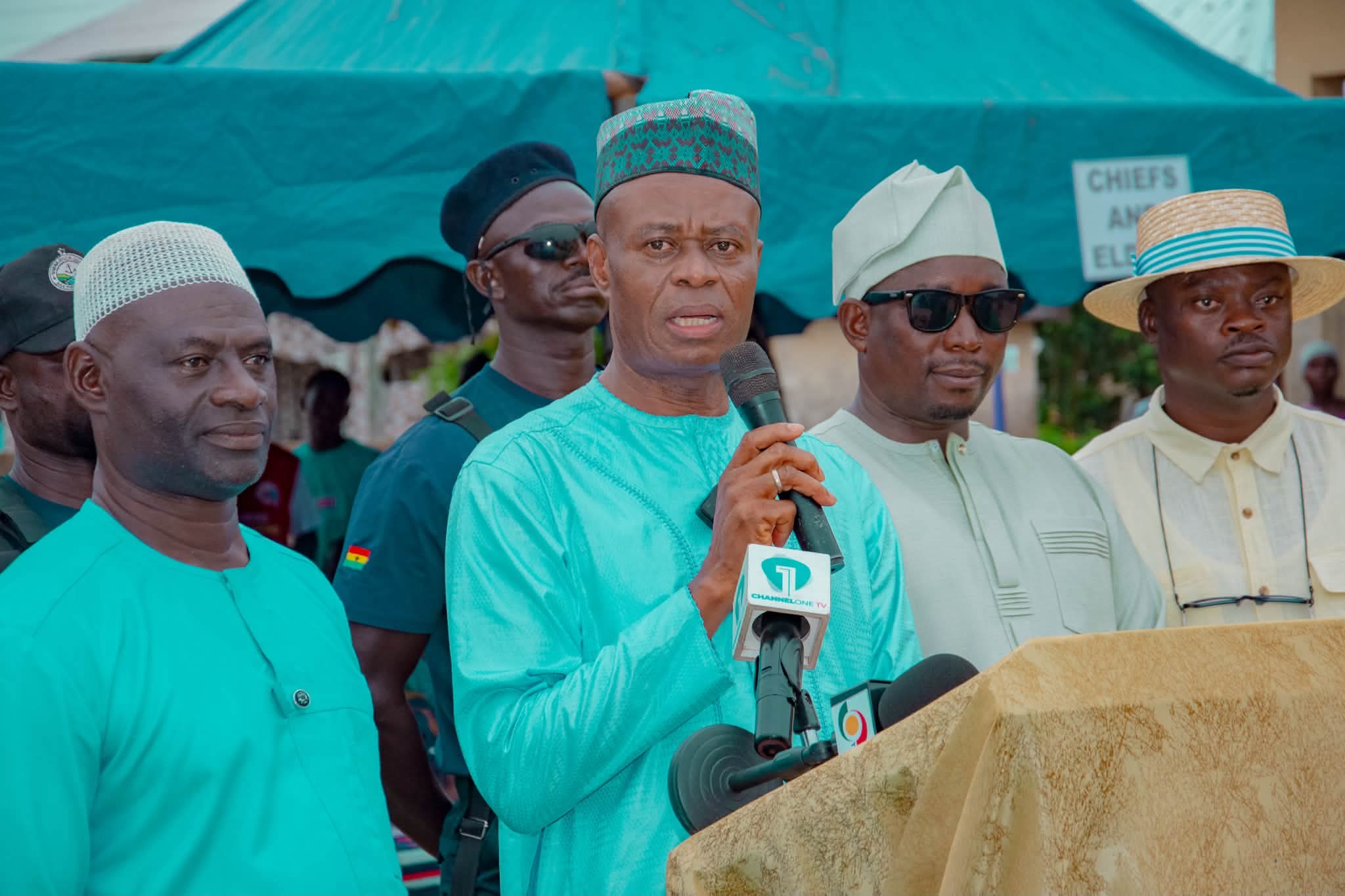
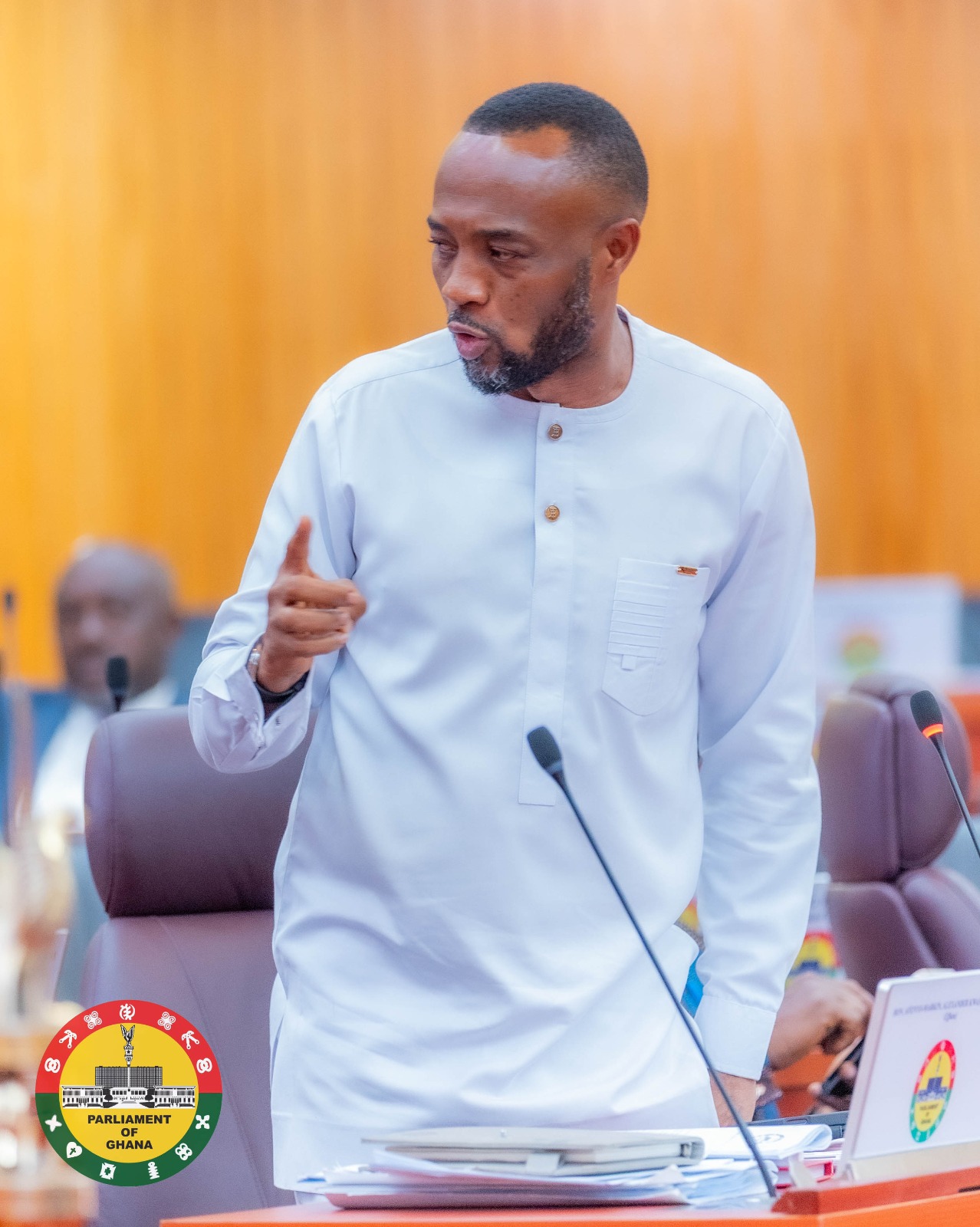
The Member of Parliament for Weija-Gbawe, Hon. Jerry Ahmed Shaib, has urged a fundamental rethink of Ghana’s approach to flooding, warning that recurring disasters demand a shift from emergency relief to resilient city design.
Speaking in Parliament after recent floods in Accra, the Second Deputy Minority Whip said the country is trapped in a “familiar cycle” that must end.
According to him, for many years, our response to flooding has followed a familiar cycle. The rains come, communities are submerged, lives and livelihoods are disrupted, emergency relief is provided, drains are distilled, and when the waters recede we return to business as usual. Until the next rainy season brings us back to this very same conversation.
“How many times will we rebuild the same communities after the same disaster before we change the way we build our cities? Before we change our habits? Before we enforce accountability? Let us hold a mirror to ourselves and confront this issue once and for all.”
Hon. Shaib said Weija-Gbawe has repeatedly suffered devastating floods, Communities such as Wiaboman, SCC and its surrounding areas, White Cross, Away, Tetegu, Oblogo, Kokroko, Borla Road, Weija, Gonse and Glefe have repeatedly experienced the devastating consequences of flooding. Families have lost their homes, traders have lost their livelihoods, and children have watched their schools and belongings destroyed by floodwaters.
“Families have lost their homes, traders have lost their livelihoods and children have watched their schools and belongings destroyed by flood waters,” he said.
He said, our responsibility is not only to stand with these affected citizens in their moment of distress, our responsibility is to ensure that we break this cycle.
The MP said the core problem is not rainfall but poor urban development. “The challenge is not simply that we have too much rain. The challenge is that we have increasingly developed our communities in ways that leave water with nowhere to go.”
He said, we must move from fighting water to managing water. From responding to disasters after they occur to building communities that are resilient before disaster happens.”
Hon. Shaib called on NADMO and relevant institutions to continue providing emergency shelter, health care, sanitation support, relief items, and recovery assistance. He also demanded “immediate distilled and dredging of critical drainage systems” in vulnerable communities.
Advertisement
About the Author
Gladson Afriyie
Journalist at Ghana Ntentan
Gladson Afriyie covers the latest developments in Ghana and across Africa for Ghana Ntentan. With a focus on accurate reporting and in-depth analysis, they bring context and clarity to the stories that matter most to Ghanaians.