
‘What Happens to the Water When This Structure Is Built?’ — Jerry Ahmed Shaib Demands Climate-Sensitive Planning, Summons Ministers on Flood Strategy
Gladson Afriyie
Journalist · Ghana Ntentan
Advertisement
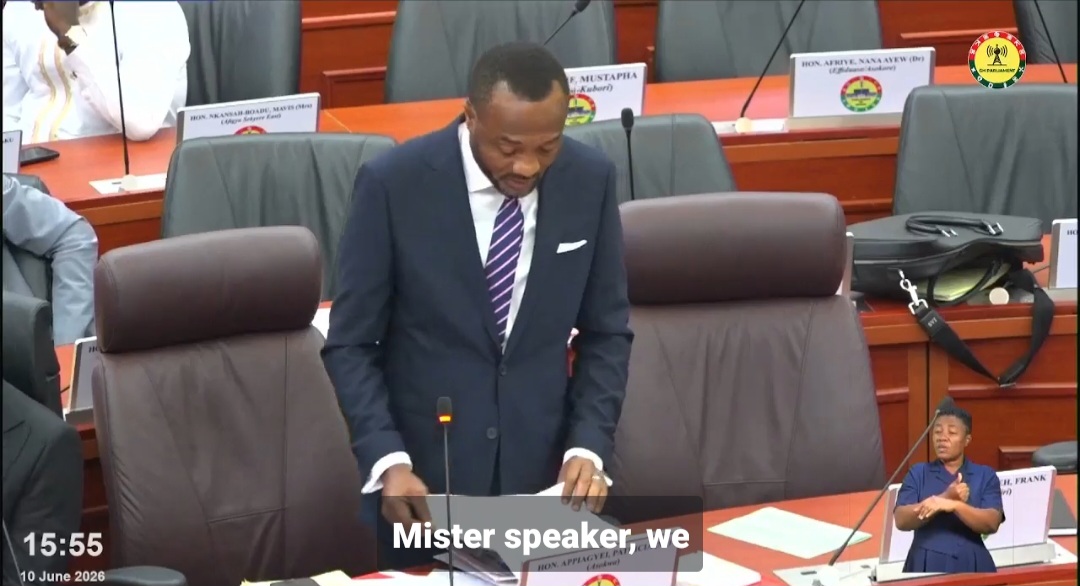
Weija-Gbawe MP Hon. Jerry Ahmed Shaib has called on the Minister for Works, Housing and Water Resources to appear before Parliament with a full update on government’s flood mitigation strategy, as he pushes for climate-sensitive building laws to break Ghana’s disaster cycle.
Presenting a statement on recent floods in Accra, Hon. Shaib said recurring disasters require a shift from emergency response to water management and accountability at every level.
He therefore call on the honorable minister responsible for works housing and water resources and all relevant minister to appear before the house and present a comprehensive update on government’s immediate, medium and long term flood mitigation strategy.
He noted that the Minister for Works and Housing “has been supportive so far” but pressed for a full accounting to Parliament.
Hon. Shaib also demanded answers on the Presidential Flood Task Force. “Mr Speaker I also wish to ask what has become of the flood task force established by his excellency the president. The work undertaken by that task force, its findings and recommendations should be brought before this house and considered as part of our broader national conversation on sustainable flood solutions.”
He urged key parliamentary committees to take action. “Mr Speaker I further urge the relevant parliamentary committees particularly the works and housing committee and the local government committee to invite the metropolitan and municipal chief executives of the most affected communities to present their local flood prevention strategies, preparedness plans and specific interventions being implemented to protect vulnerable residents.”
He stated that, flood resilience requires accountability at every level. National government, local authorities, technical agencies and communities themselves.
Hon. Shaib said Ghana’s building approval system must change. “Mr Speaker we must confront a difficult truth in many cases. We continue to create the conditions for tomorrow’s flood through today’s development choices.”
“Our building approval systems must evolve. They must no longer ask only whether a structure can stand safely. They must ask a more fundamental question. What happens to the water when this structure is built?”
He proposed “a new generation of climate sensitive building and planning regulations” including Mandatory water impact assessments before approving major developments, Rainwater harvesting systems to temporarily retain storm water at household, commercial and institutional levels.
Advertisement
About the Author
Gladson Afriyie
Journalist at Ghana Ntentan
Gladson Afriyie covers the latest developments in Ghana and across Africa for Ghana Ntentan. With a focus on accurate reporting and in-depth analysis, they bring context and clarity to the stories that matter most to Ghanaians.