Clean Water Initiative Transforms Health Outcomes in Rural Ghana
Kojo Manuel
Journalist · Ghana Ntentan
A clean water initiative serving 2 million rural Ghanaians cuts waterborne diseases by up to 70 percent and transforms communities.
Advertisement
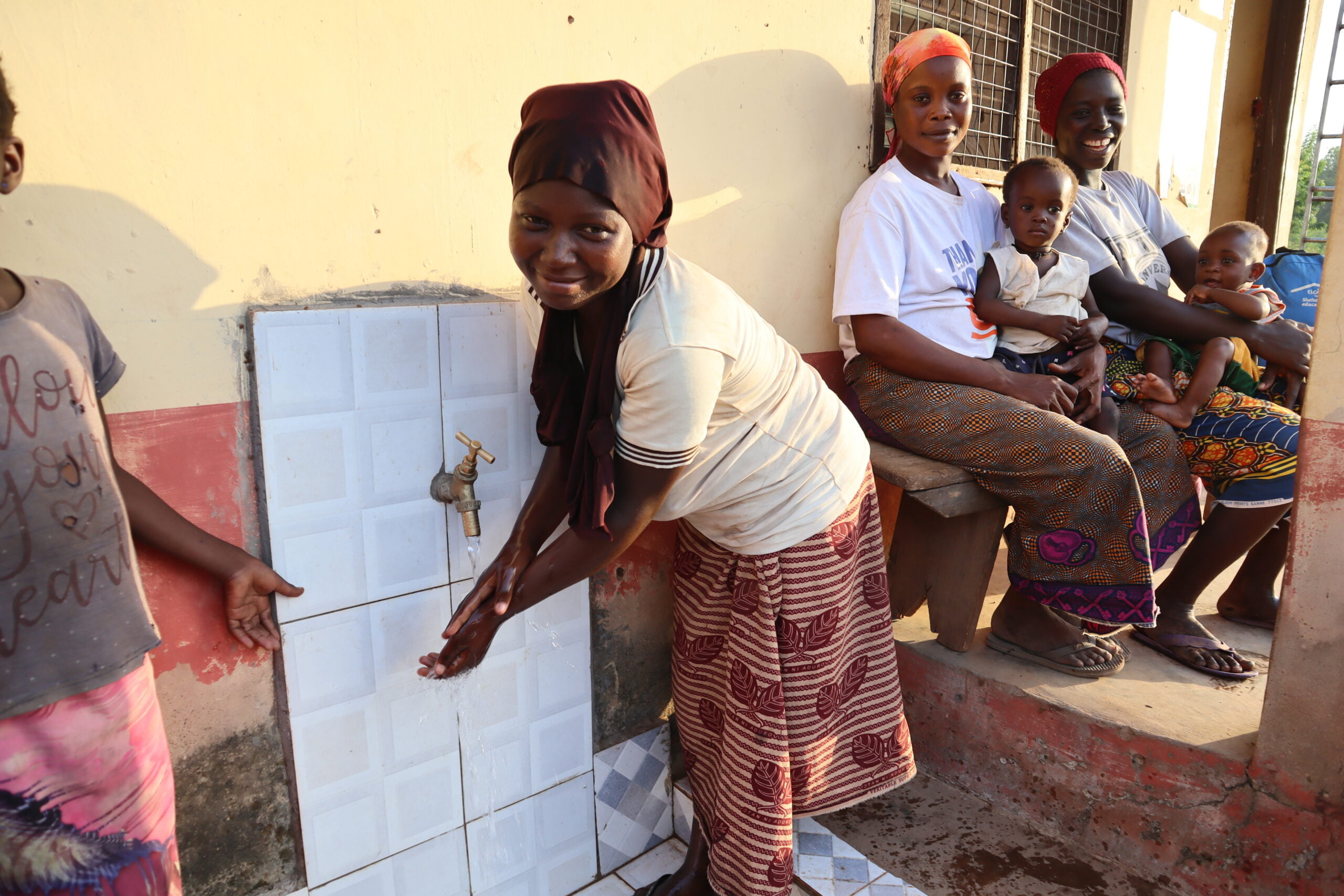
A landmark clean water initiative spanning five regions of Ghana has delivered safe drinking water to over 2 million rural residents, resulting in a dramatic reduction in waterborne diseases and transforming health outcomes in some of the country's most underserved communities.
The initiative, a partnership between the Ghana Water Company, international development organizations, and local government authorities, has installed over 1,500 boreholes, 300 water treatment systems, and 200 piped water networks across the Northern, North East, Savannah, Oti, and Volta regions. The project has also included extensive community education on water hygiene, sanitation practices, and water source protection.
The health impact has been immediate and measurable. Hospital records in participating districts show a 65 percent reduction in cholera cases, a 55 percent reduction in typhoid, and a 70 percent reduction in diarrheal diseases among children under five since the water systems became operational. These improvements have reduced pressure on already stretched healthcare facilities and freed medical resources for other priorities.
The initiative has had particularly profound effects on women and girls, who traditionally bear the burden of water collection in rural communities. Before the project, women and girls in some communities walked an average of four hours daily to collect water from often contaminated sources. With boreholes and piped water now available within their communities, girls' school attendance has increased by 25 percent in participating districts, and women have been able to redirect time previously spent on water collection to economic activities.
The project's sustainability model is innovative. Each community water system is managed by a locally elected Water and Sanitation Committee trained in basic maintenance, financial management, and water quality monitoring. Households contribute a small monthly fee that covers operational costs and builds a maintenance fund, ensuring long-term functionality without perpetual external support.
Water quality monitoring is conducted through a combination of community-level testing using simple field kits and regular laboratory analysis at regional facilities. Data is transmitted digitally to a central monitoring system that can detect quality issues and trigger rapid response protocols. This approach has ensured consistent water quality and built community confidence in the safety of their water supply.
The initiative has attracted international recognition. The United Nations highlighted the project as a model for achieving Sustainable Development Goal 6 — clean water and sanitation for all — in resource-constrained settings. Representatives from other African nations have visited Ghana to study the approach and explore adaptations for their own contexts.
Advertisement
About the Author
Kojo Manuel
Journalist at Ghana Ntentan
Kojo Manuel covers the latest developments in Ghana and across Africa for Ghana Ntentan. With a focus on accurate reporting and in-depth analysis, they bring context and clarity to the stories that matter most to Ghanaians.