
Climate Change and West Africa: Ghana's Bold Strategy for Climate Resilience
Kojo Manuel
Journalist · Ghana Ntentan
Ghana launches comprehensive climate adaptation strategy addressing agriculture, water, coastal erosion, and renewable energy transition.
Advertisement
Ghana has unveiled an ambitious national climate adaptation strategy that aims to protect its population, economy, and natural resources from the increasingly severe impacts of climate change while contributing to global mitigation efforts. The strategy, developed through extensive consultation with scientists, communities, and international partners, sets Ghana apart as a leader in climate action among developing nations.
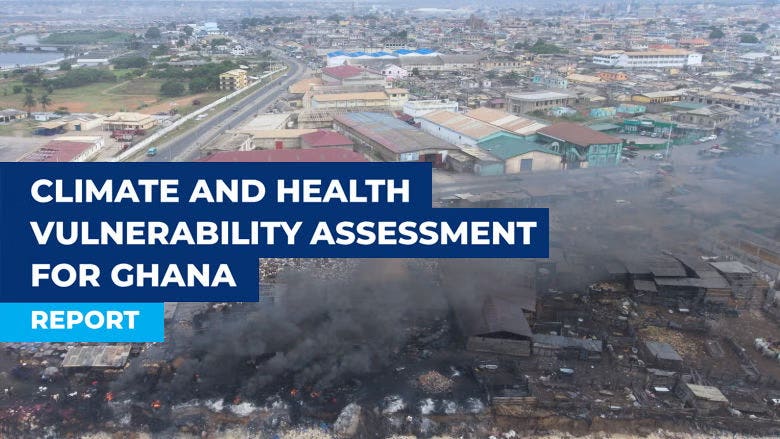
The urgency is clear. Ghana is already experiencing the effects of climate change: rising temperatures that reduce crop yields, increasingly erratic rainfall patterns that disrupt farming cycles, coastal erosion that threatens communities along the Gulf of Guinea, and more frequent extreme weather events including floods and droughts. The economic cost of climate impacts in Ghana is estimated at over $2 billion annually, a figure that will rise dramatically without effective adaptation measures.
The strategy addresses five key sectors: agriculture, water, health, infrastructure, and energy. In agriculture, climate-smart farming techniques including drought-resistant crop varieties, water-efficient irrigation, and agroforestry are being promoted across all ecological zones. The government is investing in early warning systems that provide farmers with timely weather information to guide planting and harvesting decisions.
Water resource management is a critical priority. The Volta Basin, which supports hydroelectric power generation, agriculture, and domestic water supply for millions, is experiencing reduced flow due to changing rainfall patterns. The strategy includes investments in water storage infrastructure, watershed protection, and alternative water sources to ensure long-term water security.
Coastal protection has received particular attention. Ghana's coastline, home to over 25 percent of the population and significant economic infrastructure, is eroding at an alarming rate in many areas. A combination of hard engineering solutions — seawalls and groynes — and nature-based approaches — mangrove restoration and beach nourishment — is being implemented along the most vulnerable stretches of coast.
The energy dimension is both a challenge and an opportunity. Ghana has committed to increasing the share of renewable energy in its electricity mix from the current 15 percent to 40 percent by 2035. Solar energy potential in the northern regions is among the highest in the world, and large-scale solar farms are being developed to harness this resource. The strategy also promotes energy efficiency in buildings, industry, and transportation.
International climate finance is essential to the strategy's implementation. Ghana has been successful in accessing Green Climate Fund and Adaptation Fund resources, and has pioneered innovative financing mechanisms including green bonds and debt-for-nature swaps. The total investment required over the next decade is estimated at $15 billion, of which approximately half is expected to come from international climate finance and private investment.
Advertisement
About the Author
Kojo Manuel
Journalist at Ghana Ntentan
Kojo Manuel covers the latest developments in Ghana and across Africa for Ghana Ntentan. With a focus on accurate reporting and in-depth analysis, they bring context and clarity to the stories that matter most to Ghanaians.