
Ghana Launches Revolutionary Malaria Vaccine Rollout Across All Regions
Kojo Manuel
Journalist · Ghana Ntentan
Ghana launches nationwide R21 malaria vaccine rollout targeting 3 million children, marking a historic milestone in public health.
Advertisement
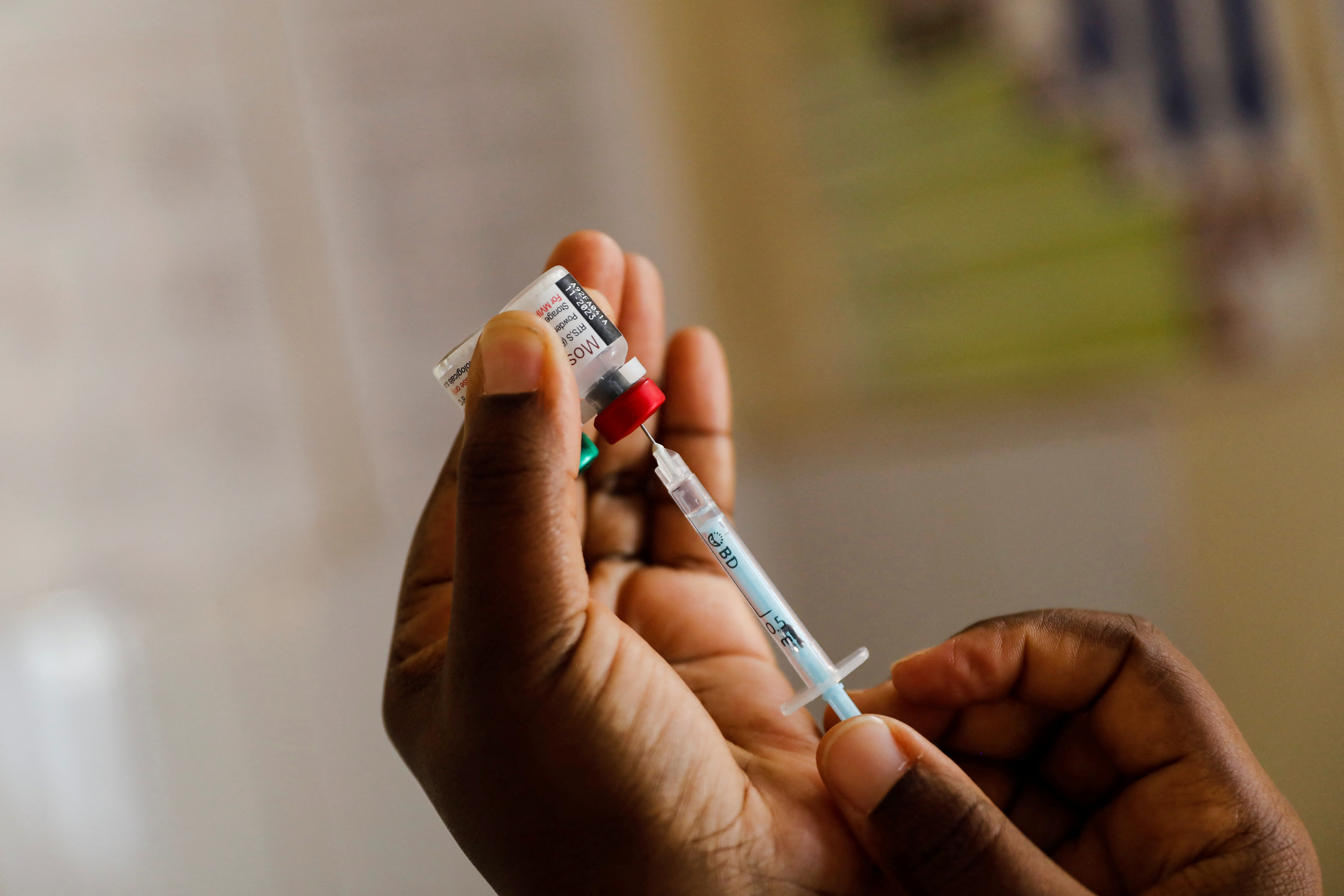
Ghana has become one of the first African nations to launch a nationwide rollout of the next-generation R21/Matrix-M malaria vaccine, a breakthrough that health experts say could save thousands of lives annually and dramatically reduce the burden of the disease that has plagued the country for centuries.
The vaccination campaign, supported by the World Health Organization, Gavi the Vaccine Alliance, and the Ghana Health Service, targets children under five — the demographic most vulnerable to severe malaria. The program aims to vaccinate over 3 million children in its first year, with mobile vaccination teams deployed to reach remote communities in the Northern, Savannah, and Oti regions where malaria prevalence remains highest.
Malaria remains Ghana's leading cause of hospital visits and a major contributor to child mortality. Despite years of intervention including insecticide-treated bed nets, indoor spraying, and antimalarial medications, the disease still claims approximately 2,000 lives annually in Ghana, with children bearing the greatest burden. The R21 vaccine, developed through a partnership between the University of Oxford and the Serum Institute of India, has demonstrated 75 percent efficacy in clinical trials — significantly higher than previous vaccine candidates.
Health Minister Dr. [Name] described the rollout as "a historic moment for public health in Ghana." The minister emphasized that the vaccine complements rather than replaces existing prevention measures. "Bed nets, early diagnosis, and prompt treatment remain essential. The vaccine adds a powerful new layer of protection, particularly for our youngest and most vulnerable citizens."
The logistics of the rollout represent a significant achievement. Ghana's cold chain infrastructure has been upgraded with new solar-powered refrigeration units in over 500 health facilities across the country. Community health workers have received specialized training in vaccine administration, adverse event monitoring, and caregiver education. A public awareness campaign using radio, television, and social media has been launched to address vaccine hesitancy and encourage participation.
International partners have praised Ghana's preparedness and organizational capacity. WHO's Regional Director for Africa noted that Ghana's approach could serve as a model for other African nations planning similar rollouts. The country's experience with previous vaccination campaigns — including its highly successful COVID-19 vaccination program — has provided a strong foundation for this initiative.
The economic case for the vaccine is compelling. Malaria costs Ghana's economy an estimated $700 million annually in direct healthcare costs and lost productivity. Widespread vaccination could reduce this burden by up to 40 percent within five years, freeing resources for other health priorities and improving economic outcomes for affected families.
Advertisement
About the Author
Kojo Manuel
Journalist at Ghana Ntentan
Kojo Manuel covers the latest developments in Ghana and across Africa for Ghana Ntentan. With a focus on accurate reporting and in-depth analysis, they bring context and clarity to the stories that matter most to Ghanaians.