
Ghana-UK Trade Partnership Enters New Era with Expanded Economic Agreement
Kojo Manuel
Journalist · Ghana Ntentan
Ghana and the UK sign expanded trade agreement covering tariffs, investment protection, technology cooperation, and sustainable development.
Advertisement
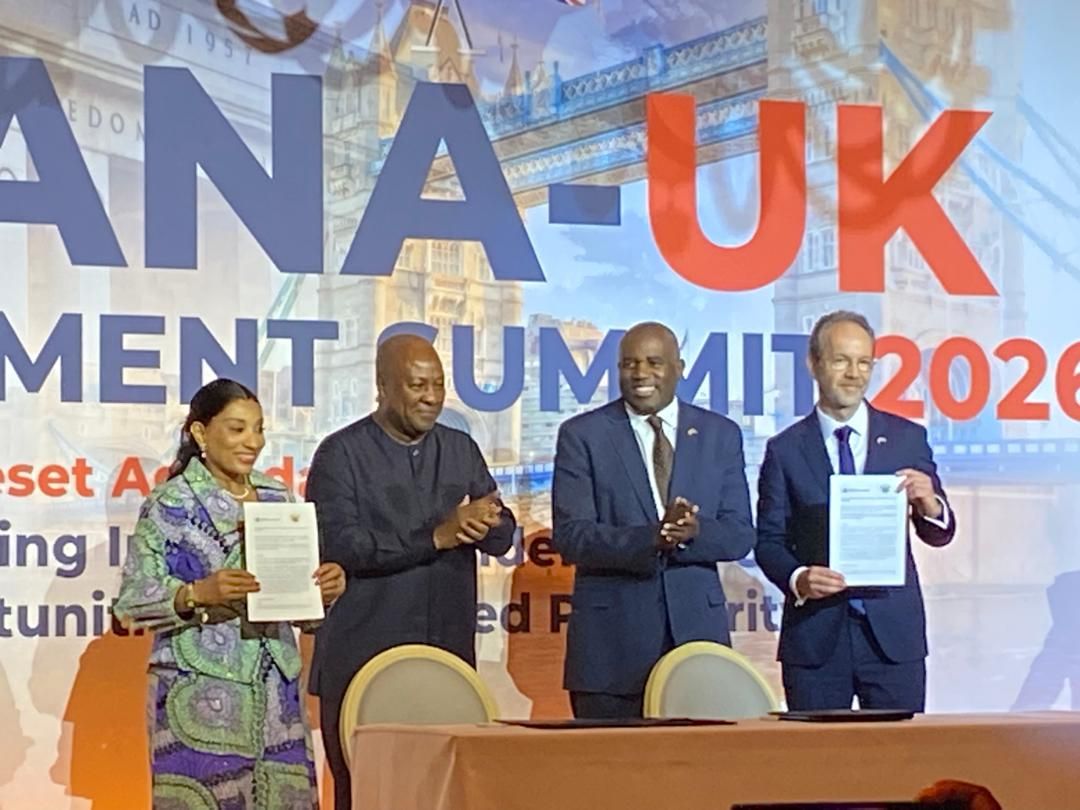
Ghana and the United Kingdom have signed an expanded economic partnership agreement that deepens trade relations, opens new market access for Ghanaian products, and establishes frameworks for investment cooperation in technology, renewable energy, and financial services. The agreement, negotiated over 18 months, represents a significant step forward in the bilateral economic relationship.
The agreement builds on the post-Brexit interim trade deal that maintained preferential access for Ghanaian exports to the UK market. The new agreement goes further, reducing tariffs on a wider range of products, simplifying customs procedures, and establishing mutual recognition of professional qualifications that will facilitate services trade between the two countries.
For Ghana, the agreement provides enhanced access for key exports including cocoa products, fresh fruits, processed foods, and textiles. Ghanaian cocoa — the backbone of the country's agricultural exports — will benefit from reduced tariffs and streamlined phytosanitary procedures that have historically created barriers to market entry. The agreement also includes provisions for technical assistance to help Ghanaian producers meet UK quality standards.
The investment chapter is particularly significant. It establishes protections for investors from both countries, creates a joint investment promotion framework, and establishes a dispute resolution mechanism that provides confidence for businesses considering cross-border investments. Sectors specifically targeted for increased investment include renewable energy, where UK companies have expertise in offshore wind and solar technology, and financial services, where London's fintech ecosystem can connect with Ghana's growing digital finance sector.
Technology cooperation is a new dimension of the partnership. The agreement includes provisions for knowledge transfer, joint research and development, and support for Ghanaian tech startups seeking to access UK markets and investment. A dedicated technology partnership fund, co-financed by both governments, will support collaborative projects in artificial intelligence, cybersecurity, and digital health.
The agreement has been broadly welcomed by Ghana's business community, though some civil society organizations have raised concerns about the potential impact on local industries and the need to ensure that trade benefits are distributed equitably. The government has responded by including provisions for impact monitoring and review mechanisms that allow adjustments if negative effects emerge.
The agreement also addresses sustainable development. Both countries commit to upholding environmental standards, labor rights, and responsible business practices in their trade relationship. A sustainable development chapter includes provisions for cooperation on climate action, deforestation prevention, and sustainable supply chains — particularly relevant for commodities like cocoa and gold.
Advertisement
About the Author
Kojo Manuel
Journalist at Ghana Ntentan
Kojo Manuel covers the latest developments in Ghana and across Africa for Ghana Ntentan. With a focus on accurate reporting and in-depth analysis, they bring context and clarity to the stories that matter most to Ghanaians.