Ghana's AI Research Lab Makes Waves with African Language Processing Breakthrough
Kojo Manuel
Journalist · Ghana Ntentan
A Ghanaian AI lab develops breakthrough language processing models for Twi, Ga, Ewe, and Dagbani, transforming communication across sectors.
Advertisement
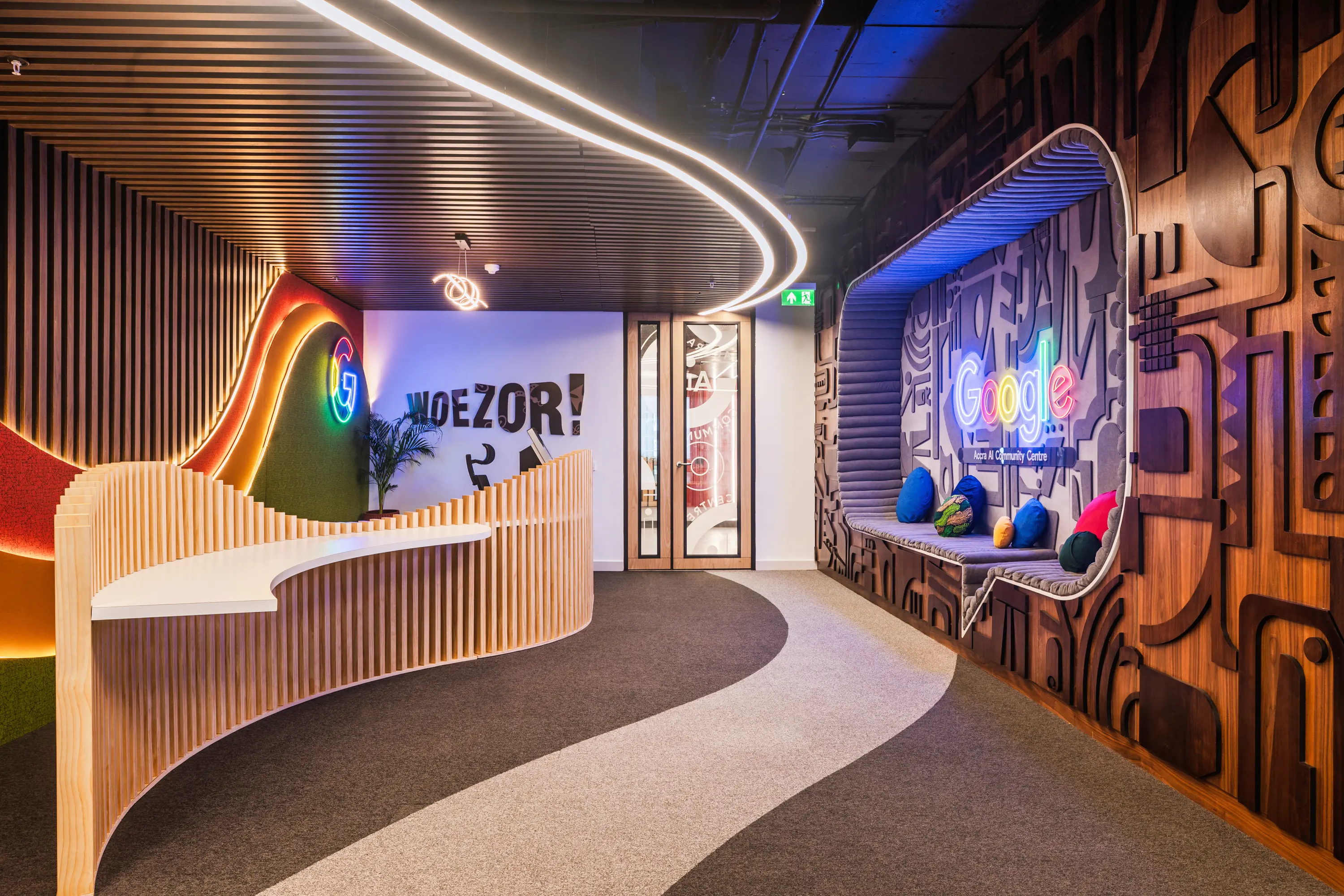
A Ghanaian artificial intelligence research lab has achieved a significant breakthrough in natural language processing for African languages, developing models that can accurately translate, transcribe, and generate text in Twi, Ga, Ewe, and Dagbani — languages spoken by tens of millions of people but historically underserved by global AI systems.
The Accra-based lab, founded by Ghanaian computer scientists who trained at leading international institutions, has spent three years building language models specifically designed for the linguistic structures and cultural contexts of Ghanaian languages. Unlike existing translation tools that struggle with African languages due to limited training data, the lab's models were built from the ground up using carefully curated datasets collected from oral traditions, literature, news media, and community contributions.
The implications are far-reaching. Accurate AI-powered translation and transcription in local languages could revolutionize healthcare communication, legal proceedings, education, and government service delivery in Ghana. Imagine a patient in a rural clinic being able to describe symptoms in Twi and receive a medical report in English, or a court proceeding being automatically transcribed in Ga and Dagbani simultaneously.
The lab's flagship product, an open-source translation API, has already been adopted by several organizations. The Ghana Health Service is piloting its use in patient communication systems, a legal aid organization is using it to translate legal documents for non-English speakers, and an education technology company is integrating it into multilingual learning platforms for schools.
The research has attracted international attention and funding. A $10 million grant from a major global technology foundation will support the expansion of the project to cover additional African languages and the development of speech recognition capabilities. Partnerships with universities across Africa are creating a network of researchers working on similar challenges in Swahili, Yoruba, Amharic, and Zulu.
The team has been deliberate about ethical considerations. Their models are designed to avoid the cultural biases that plague many Western-developed AI systems. Community consultation is built into their development process, ensuring that the technology serves the needs and values of the people it is designed to benefit. Data sovereignty principles ensure that linguistic data remains under Ghanaian control.
The commercial potential is substantial. Africa's language technology market is estimated to be worth $5 billion annually by 2030, and Ghana is well-positioned to be a leader in this space. The lab has begun exploring commercial applications including customer service automation for banks and telecommunications companies, content localization for media organizations, and real-time translation for international conferences.
Advertisement
About the Author
Kojo Manuel
Journalist at Ghana Ntentan
Kojo Manuel covers the latest developments in Ghana and across Africa for Ghana Ntentan. With a focus on accurate reporting and in-depth analysis, they bring context and clarity to the stories that matter most to Ghanaians.