
Mobile Money Revolution: How Ghana Became Africa's Digital Payments Leader
Kojo Manuel
Journalist · Ghana Ntentan
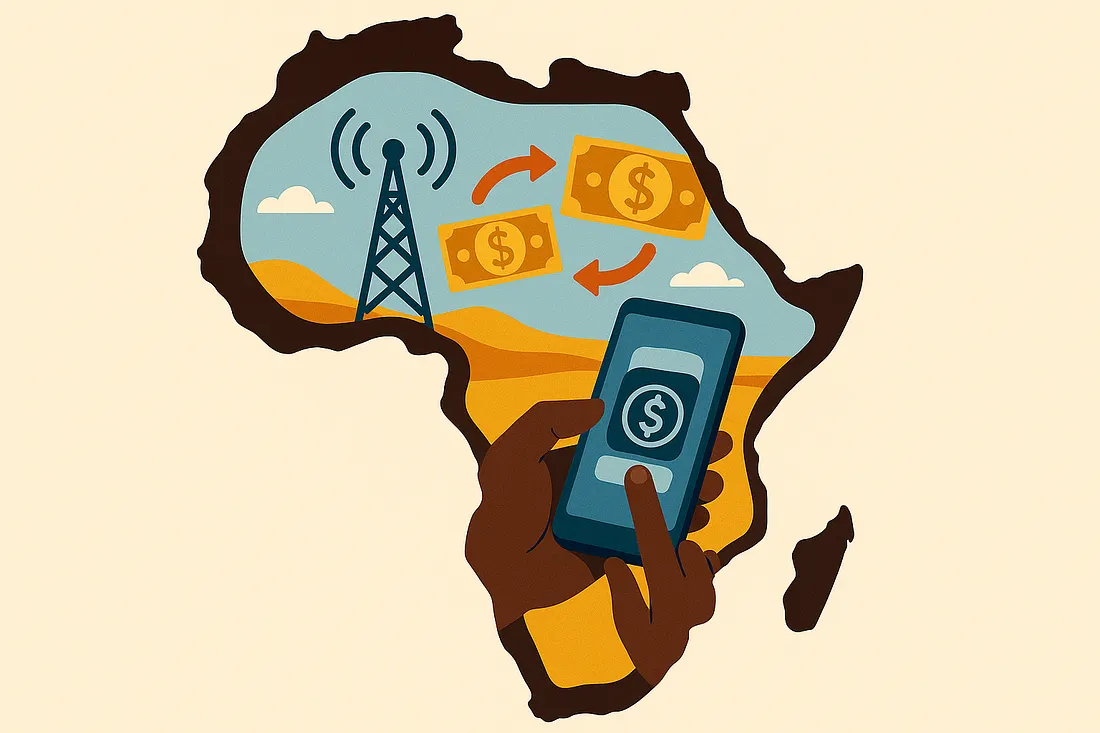
Ghana's mobile money ecosystem serves 80 percent of adults and processes $200B annually, transforming financial inclusion across the nation.
Advertisement
Ghana has emerged as one of the world's most successful mobile money markets, with transaction volumes exceeding $200 billion annually and over 80 percent of the adult population now using digital financial services. The mobile money revolution has transformed how Ghanaians save, borrow, send money, and conduct business, particularly in communities that were previously excluded from the formal banking system.
The journey began over a decade ago when telecommunications companies first offered basic money transfer services via mobile phones. Today, Ghana's mobile money ecosystem encompasses savings accounts, microloans, insurance products, bill payments, merchant transactions, and cross-border remittances. The interoperability between different mobile money platforms and traditional banks — mandated by the Bank of Ghana — has created a seamless financial network that serves millions.
The Bank of Ghana's regulatory approach has been widely praised for balancing innovation with consumer protection. The central bank established a regulatory sandbox that allows fintech companies to test new products under supervision before full market launch. This framework has enabled rapid innovation while maintaining financial stability and protecting consumers from fraud and exploitation.
The impact on financial inclusion has been transformative. Before mobile money, fewer than 30 percent of Ghanaians had access to formal financial services. Today, over 80 percent are financially included, with mobile money accounts serving as the primary financial tool for millions. Women, rural residents, and informal sector workers — groups historically excluded from banking — have benefited disproportionately from the accessibility and convenience of mobile money.
Small businesses have been particularly transformed. Market traders, taxi drivers, and street vendors now accept mobile money payments, reducing the risks associated with cash handling and creating digital transaction records that can be used to establish creditworthiness. A recent study found that small businesses adopting mobile money saw revenue increases of 20 to 30 percent on average.
The government has leveraged mobile money for public service delivery. Tax payments, utility bills, court fees, and passport application fees can all be paid via mobile money, reducing corruption opportunities and improving revenue collection. The Ghana Revenue Authority reported a 40 percent increase in tax compliance following the integration of mobile money payment options.
However, the sector faces emerging challenges. Transaction fees, while decreasing, remain a burden for low-income users. Cybersecurity threats are increasing as more financial activity moves online, and consumer education on digital safety has not kept pace with adoption. The recent introduction of an e-levy on electronic transactions sparked public debate about the appropriate taxation of digital financial services.
Advertisement
About the Author
Kojo Manuel
Journalist at Ghana Ntentan
Kojo Manuel covers the latest developments in Ghana and across Africa for Ghana Ntentan. With a focus on accurate reporting and in-depth analysis, they bring context and clarity to the stories that matter most to Ghanaians.