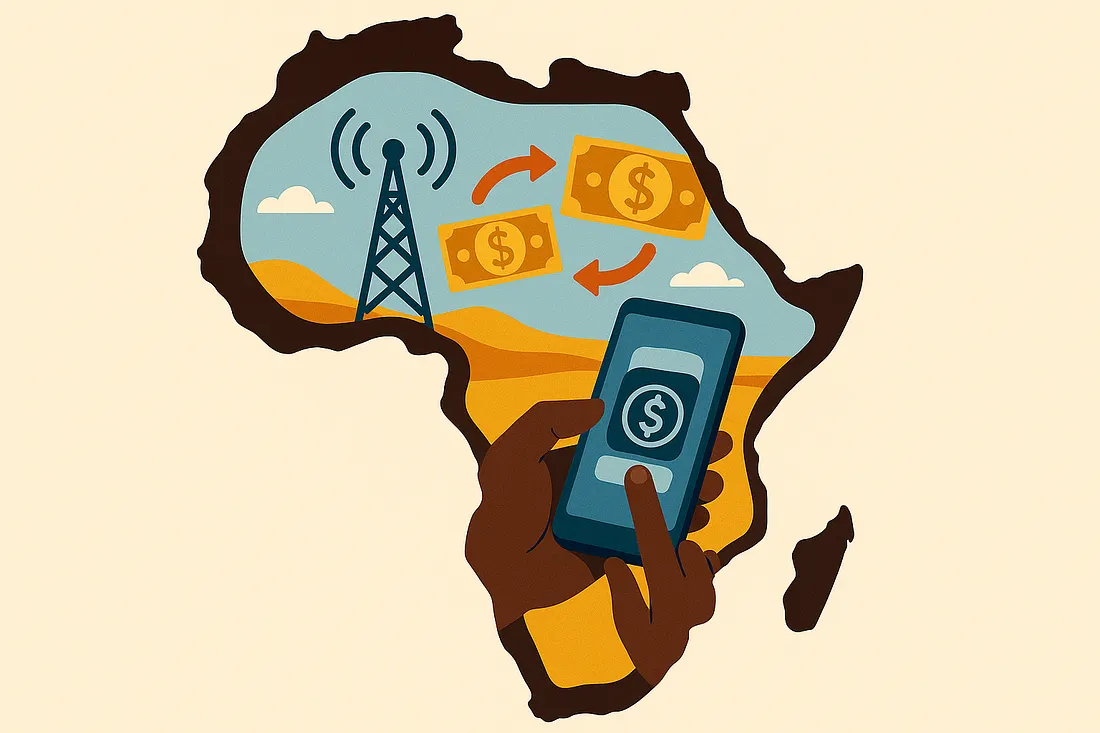

Ghana's Cybersecurity Act Strengthens Digital Defenses Against Rising Threats

Kojo Manuel
Journalist · Ghana Ntentan
Ghana enacts comprehensive cybersecurity legislation to protect its growing digital economy from rising cybercrime threats.
Advertisement
Ghana has enacted comprehensive cybersecurity legislation designed to protect the nation's critical digital infrastructure, combat cybercrime, and establish a framework for international cooperation on cybersecurity matters. The Cybersecurity Act 2026 represents a significant step forward in Ghana's digital governance and addresses growing concerns about the security of the country's rapidly expanding digital economy.
The legislation establishes a National Cybersecurity Authority responsible for coordinating cybersecurity policy, operating a national Computer Emergency Response Team, and certifying cybersecurity professionals and organizations. The authority has been granted powers to investigate cyber incidents, mandate security standards for critical infrastructure operators, and impose penalties for non-compliance.
The need for robust cybersecurity measures has become increasingly urgent as Ghana's digital economy has expanded. The Bank of Ghana reported that cybercrime attempts against financial institutions increased by 150 percent over the past two years, with mobile money fraud, phishing attacks, and ransomware incidents becoming more sophisticated and frequent. The total cost of cybercrime to Ghana's economy is estimated at over $200 million annually.
The Act addresses several key areas. Critical infrastructure protection mandates stringent security standards for banks, telecommunications companies, government systems, and utilities. Data breach notification requirements compel organizations to report security incidents within 72 hours, with penalties for non-disclosure. The legislation also criminalizes a range of cyber activities including unauthorized access, data theft, distribution of malware, and online fraud.
International cooperation provisions enable Ghana to collaborate with other nations on cross-border cybercrime investigations and participate in global cybersecurity frameworks. Ghana's position as a growing technology hub in West Africa makes it both a target for cybercriminals and a potential leader in regional cybersecurity capacity building.
The private sector has broadly supported the legislation while calling for collaborative implementation. Technology companies have emphasized the importance of proportional regulation that does not stifle innovation. The banking sector, which bears the highest burden of cybercrime, has welcomed the clear standards and coordinated response framework the Act establishes.
Capacity building is a central component. The legislation mandates the establishment of a cybersecurity training academy and scholarship programs to develop Ghana's cybersecurity workforce. With a global shortage of over 3 million cybersecurity professionals, Ghana aims to become a source of cybersecurity talent for the region and beyond.
Advertisement
About the Author
Kojo Manuel
Journalist at Ghana Ntentan
Kojo Manuel covers the latest developments in Ghana and across Africa for Ghana Ntentan. With a focus on accurate reporting and in-depth analysis, they bring context and clarity to the stories that matter most to Ghanaians.