
Smart City Accra: How IoT and Data Are Transforming Urban Life in Ghana's Capital
Kojo Manuel
Journalist · Ghana Ntentan
Accra deploys smart city technologies to tackle traffic, waste, and governance challenges, setting an example for African urban development.
Advertisement
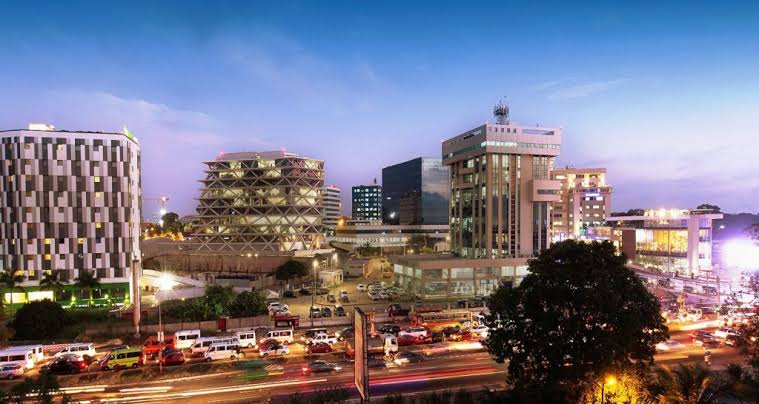
Accra is steadily transforming into one of Africa's first smart cities, deploying Internet of Things sensors, data analytics platforms, and digital governance tools to address the urban challenges of traffic congestion, waste management, public safety, and service delivery that accompany rapid population growth.
The Greater Accra Metropolitan Area, home to over 5 million residents, faces the classic challenges of rapid urbanization: traffic gridlock that costs the economy an estimated $100 million annually in lost productivity, waste management systems struggling to keep pace with population growth, and infrastructure that was not designed for current density levels. Smart city technologies are being deployed as part of a comprehensive strategy to address these challenges.
Traffic management has been an early success story. A network of smart cameras and sensors at major intersections feeds real-time data to a central traffic management system that optimizes signal timing dynamically. Initial results show a 25 percent reduction in average commute times on key corridors, with corresponding reductions in fuel consumption and air pollution. The system also provides real-time traffic information to drivers through a public mobile application.
Waste management has been revolutionized through smart bin sensors that alert collection services when bins reach capacity, optimizing collection routes and reducing overflow. A pilot program in the Osu and Cantonments districts has reduced uncollected waste by 40 percent and cut collection costs by 20 percent. The data generated is being used to plan more efficient waste management infrastructure and identify areas where recycling programs can be most effectively deployed.
Digital governance platforms have improved citizen engagement and service delivery. An integrated portal allows residents to pay property rates, apply for building permits, report infrastructure problems, and track the status of their requests. Response times for reported issues have decreased by 60 percent, and citizen satisfaction surveys show significant improvement in perceptions of government responsiveness.
Public safety has been enhanced through a network of smart streetlights that combine energy-efficient LED lighting with environmental sensors, emergency call buttons, and surveillance capabilities. The system has contributed to a measurable reduction in crime in pilot areas and provides valuable environmental data including air quality measurements and flood risk monitoring.
The smart city initiative has been supported by public-private partnerships, with technology companies, telecommunications providers, and international development organizations contributing expertise and investment. A dedicated Smart City Office within the Accra Metropolitan Assembly coordinates projects and ensures they align with the city's long-term development plan.
Advertisement
About the Author
Kojo Manuel
Journalist at Ghana Ntentan
Kojo Manuel covers the latest developments in Ghana and across Africa for Ghana Ntentan. With a focus on accurate reporting and in-depth analysis, they bring context and clarity to the stories that matter most to Ghanaians.