

Traditional Medicine Meets Modern Science: Ghana's Herbal Research Breakthrough
Kojo Manuel
Journalist · Ghana Ntentan
Ghanaian researchers validate traditional herbal remedies through clinical trials, opening pathways for new pharmaceutical treatments.
Advertisement
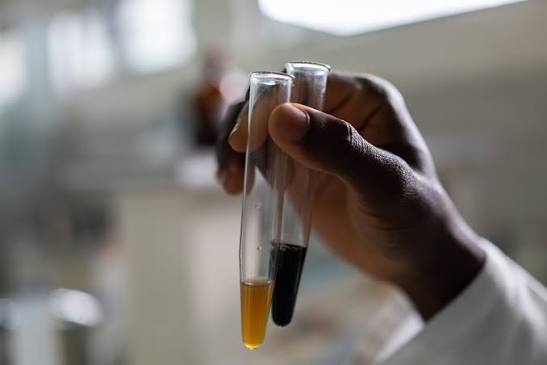
Researchers at Ghana's Centre for Scientific Research into Plant Medicine have announced a significant breakthrough in validating the efficacy of traditional herbal remedies, potentially opening the door to new pharmaceutical treatments derived from indigenous Ghanaian plants.
The research, conducted over five years in collaboration with the University of Ghana's School of Pharmacy and international partners, has identified three plant compounds with demonstrated anti-inflammatory, antimicrobial, and anti-diabetic properties in rigorous clinical trials. One compound, derived from a plant widely used in traditional Akan medicine, has shown remarkable promise in preliminary trials as a treatment for Type 2 diabetes, with results comparable to existing pharmaceutical options but with fewer reported side effects.
Ghana has one of Africa's richest traditions of herbal medicine, with knowledge passed down through generations of traditional healers. The World Health Organization estimates that 70 percent of Ghanaians use traditional medicine as their primary form of healthcare, particularly in rural areas where modern medical facilities are limited. The challenge has been bridging the gap between traditional knowledge and the scientific validation required for wider medical acceptance and international regulatory approval.
The Centre for Scientific Research into Plant Medicine, based in Mampong-Ashanti, has been at the forefront of this effort for decades. Its expanded research program combines ethnobotanical surveys — documenting traditional healers' knowledge — with modern pharmacological analysis, toxicology testing, and clinical trials. The approach respects the intellectual property rights of traditional communities while applying the scientific rigor needed for global medical acceptance.
The economic potential is enormous. The global market for plant-derived pharmaceuticals exceeds $100 billion annually, and Ghana's rich biodiversity positions the country as a potential leader in this space. A government initiative to develop a pharmaceutical manufacturing zone dedicated to plant-derived medicines has attracted interest from international investors, with the potential to create thousands of high-skilled jobs and significant export revenue.
However, the path from traditional knowledge to approved pharmaceutical product is long and expensive. Clinical trials, regulatory approval processes, and manufacturing scale-up require substantial investment and can take a decade or more. Protecting the intellectual property rights of traditional communities while enabling commercial development is a complex ethical and legal challenge that Ghana is working to address through new legislation.
Advertisement
About the Author
Kojo Manuel
Journalist at Ghana Ntentan
Kojo Manuel covers the latest developments in Ghana and across Africa for Ghana Ntentan. With a focus on accurate reporting and in-depth analysis, they bring context and clarity to the stories that matter most to Ghanaians.