
World Bank Flags GoldBod Operations As "Insufficiently Monitored" Risk – Minority Demands Parliamentary Probe
Gladson Afriyie
Journalist · Ghana Ntentan
Advertisement
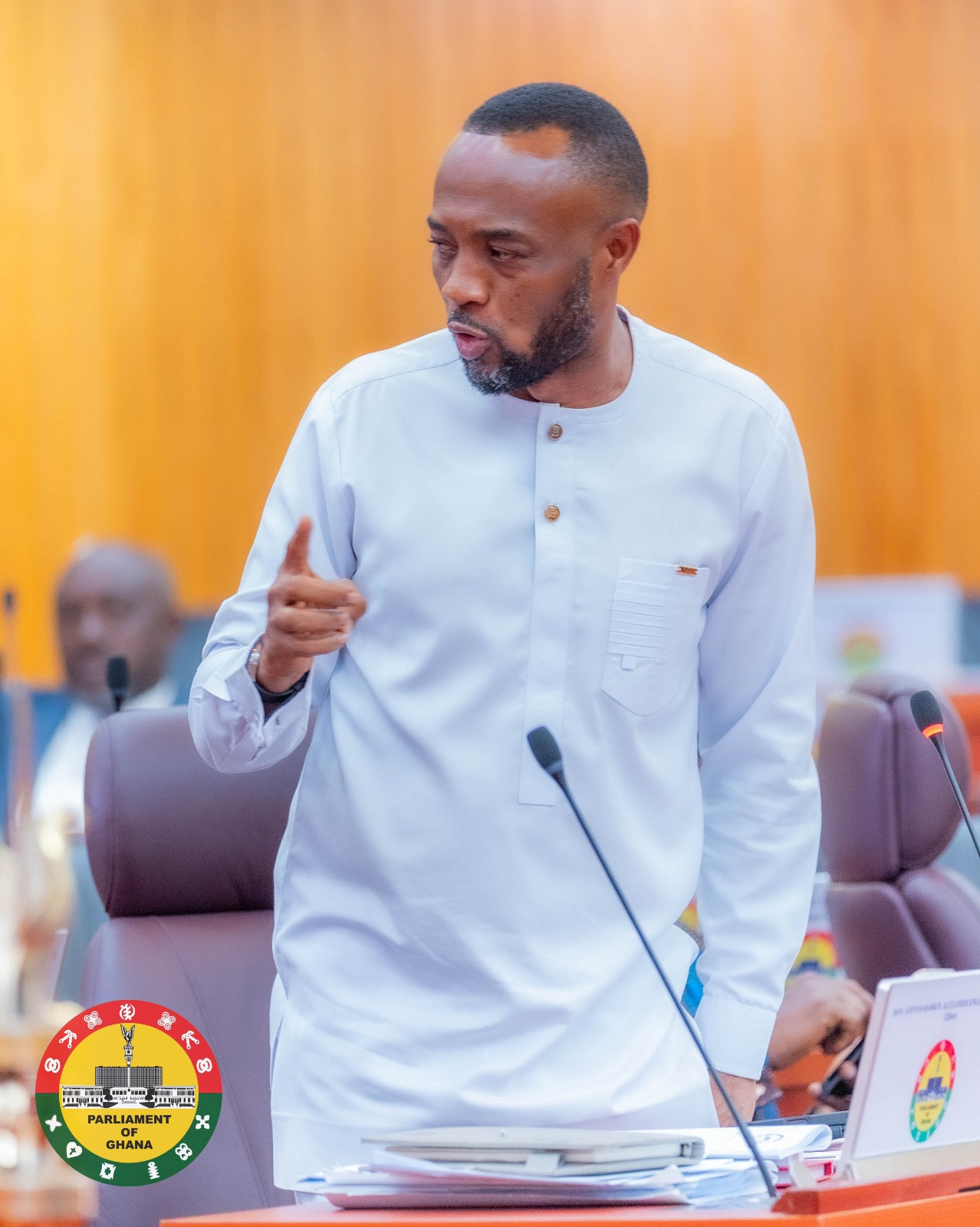
The Second Deputy Minority Whip and MP for Weija-Gbawe, Jerry Ahmed Shaib, says the World Bank has confirmed that operations related to GoldBod pose a significant but insufficiently monitored risk to Ghana's economy.
In a statement, Mr. Shaib said the finding is contained in the World Bank's 10th Ghana Economic Update: Reset for Growth, Sustaining Macroeconomic Recovery and Unlocking Transport for Transformation (August 2026, page 7).
He linked the Bank's observation to an earlier IMF report – Ghana: Selected Issues (IMF Country Report No. 26/213, August 2026, page 10) – which he said found that the gold programme lost over $1.7 billion in 2025 alone, about 1.5% of GDP, pushing the Bank of Ghana into negative equity.
According to the MP, the Domestic Gold Purchase Programme was a smart initiative birthed by the Nana Akufo-Addo administration and designed by Dr. Mahamudu Bawumia to use gold to build reserves and protect the cedi. He argued the idea was sound and that the problem is management under the current government.
"The World Bank also found that gold reserves under this programme are not being tracked the same way as our other reserves, and on page 47 it lists GoldBod and reform delays as an ongoing risk to our economy, right now, under this administration's watch," the statement said.
Mr. Shaib said the same World Bank report points to weak banks and specialised deposit-taking institutions still short on capital, COCOBOD's financial troubles, and Ghana's continued exposure to sudden swings in gold prices, which he said are not being properly managed.
He welcomed the admission by the Speaker of Parliament of the Minority's motion on the matter, saying it opens the door for answers on off-takers, discounts applied to gold, fees paid, and who bore the losses.
The Minority is demanding:
1. A full parliamentary inquiry into GoldBod and the Bank of Ghana's gold operations, with powers to summon officials and demand documents.
2. Full disclosure of off-takers, discounts granted, fees charged, and who – GoldBod or BoG – bore each loss.
3. Systematic public disclosure of all contingent liabilities tied to the programme, as recommended on page 49 of the World Bank report.
4. Transparent accounting for all gold reserves under standard reserve reporting.
Advertisement
About the Author
Gladson Afriyie
Journalist at Ghana Ntentan
Gladson Afriyie covers the latest developments in Ghana and across Africa for Ghana Ntentan. With a focus on accurate reporting and in-depth analysis, they bring context and clarity to the stories that matter most to Ghanaians.