
BoG: Dud Cheque Issuers To Face Up To 20% Penalty, Credit Restrictions
Gladson Afriyie
Journalist · Ghana Ntentan
Advertisement
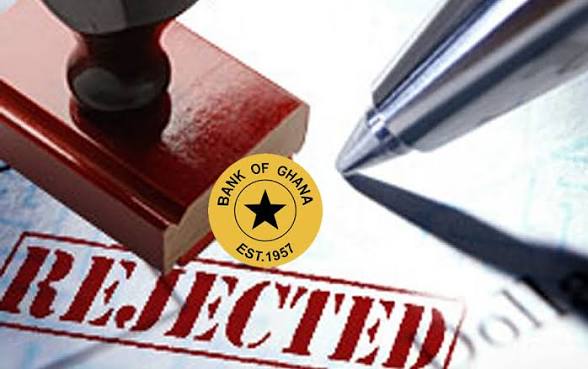
The Bank of Ghana (BoG) has announced strict sanctions for customers who issue dud cheques, with penalties ranging from fines to bans on cheque issuance and access to credit.
According to the central bank, a cheque is considered dud when the account has insufficient funds to honour the amount stated on it. Such cheques will be rejected and returned unpaid, with the issuer liable to face legal action.
Under the revised rules, a first-time offender will be fined 10 percent of the face value of the cheque. The customer will also receive a warning on the consequences of repeat offences, while the infraction will be reported to the Credit Reference Bureaus (CRBs) and the Bank of Ghana.
For a second offence committed within one year of the first, the penalty increases to 15 percent of the cheque value. The offence will again be reported to the CRBs and the central bank, with a further warning issued to the customer.
On a third offence within a year of the first, the fine rises to 20 percent. Beyond the financial penalty, the Bank of Ghana will ban the customer from issuing cheques for at least three years and from accessing new credit facilities from the banking system for one year. All banks and Specialised Deposit-Taking Institutions will be notified of the ban.
The BoG cautioned that adverse reports to credit bureaus could damage a customer's creditworthiness, leading to poor credit scores, higher borrowing costs and limited access to funds.
Once notified of a ban, banks are required to inform the affected customer within five working days, recall all unused cheque books and stop issuing new ones until the sanction is lifted.
Customers who fail to return unused cheque books within 10 working days risk further sanctions, including a ban from operating any current account and being listed in the central bank's Directory of High-Risk Cheque Issuers.
The central bank has advised customers to always check their account balances before issuing cheques, consider pending transactions, avoid issuing cheques based on expected inflows, and maintain records of issued cheques and their presentation dates.
Advertisement
About the Author
Gladson Afriyie
Journalist at Ghana Ntentan
Gladson Afriyie covers the latest developments in Ghana and across Africa for Ghana Ntentan. With a focus on accurate reporting and in-depth analysis, they bring context and clarity to the stories that matter most to Ghanaians.