
If I Fail In This New Job, There Is A Defect In How My Mamprusi Uncles Trained Me – Mahama Ayariga Responds To Critics On Bawku Neutrality
Gladson Afriyie
Journalist · Ghana Ntentan
Advertisement
Minister-designate for Local Government, Chieftaincy and Religious Affairs, Hon. Mahama Ayariga, has responded to concerns over his perceived neutrality regarding the protracted Bawku conflict, following his nomination to head the chieftaincy ministry.
Concerns regarding his nomination center on perceptions of partiality connected to the Bawku conflict. Critics, including segments of the Mamprusi community and various traditional observers, have questioned whether a nominee closely tied to the political and regional dynamics of the area can maintain the perceived neutrality required for the chieftaincy portfolio.
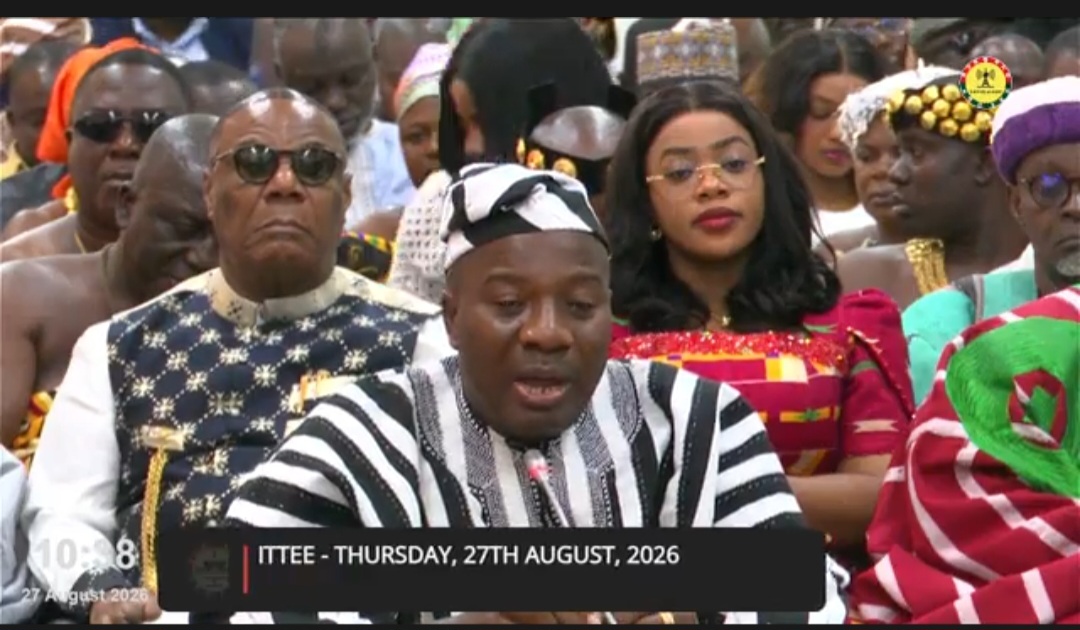
The issue came up during his vetting before Parliament’s Appointments Committee on Thursday, August 27, when the Minority Leader, Hon. Alexander Afenyo-Markin, asked him to address the criticism that he may not be neutral enough to handle chieftaincy matters, especially Bawku.
In his response, the Bawku Central MP, who is of mixed Kusasi and Mamprusi heritage, said his maternal lineage positions him to vindicate the training he received from his Mamprusi side.
"All I can say is that my mother is a Mamprusi. Mamprusis are my uncles. They are partly responsible for my upbringing and training," he said.
"If I fail in this new job then it means that there's a defect in the way they have trained me. And I believe that they have trained me well and I'll vindicate them by living up to their expectations that I can promise them," he added.
Hon. Ayariga further extended his assurance to the King of Mamprugu, the Nayiri.
"I can promise my grandfather the Nayiri that in my capacity I will live up to his expectations," he stated.
Advertisement
About the Author
Gladson Afriyie
Journalist at Ghana Ntentan
Gladson Afriyie covers the latest developments in Ghana and across Africa for Ghana Ntentan. With a focus on accurate reporting and in-depth analysis, they bring context and clarity to the stories that matter most to Ghanaians.