

Kente Cloth: The Living Heritage That Connects Ghana to the World
Kojo Manuel
Journalist · Ghana Ntentan
Ghana's kente cloth gains global recognition as weavers balance tradition, international demand, and protection against counterfeiting.
Advertisement
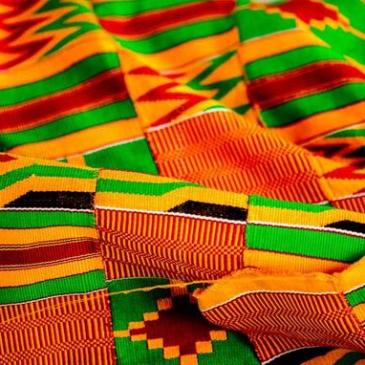
The vibrant, intricately woven kente cloth of Ghana is experiencing a global renaissance, celebrated not only as a symbol of Ghanaian cultural identity but as one of the world's most recognized and respected textile art forms. From royal courts in Ashanti to fashion runways in Paris and graduation ceremonies across the United States, kente has transcended its origins to become a universal symbol of African heritage and pride.
Kente weaving has been practiced for centuries in Ghana, primarily in the Ashanti and Volta regions. Each pattern carries specific meanings, conveying proverbs, historical events, philosophical concepts, and social values through the language of color and geometry. The Adwinasa pattern, meaning "all motifs are exhausted," represents the weaver's mastery and creative excellence. The Oyokoman pattern honors the Oyoko clan, while the Sika Futuro pattern, resembling gold dust, symbolizes wealth and royalty.
The global demand for authentic kente has created both opportunities and challenges. On one hand, the international market provides livelihoods for hundreds of weavers in communities like Bonwire and Adanwomase in the Ashanti Region. Master weavers can earn substantial incomes, and the craft is being passed to younger generations with renewed enthusiasm as its economic viability becomes apparent.
On the other hand, mass-produced imitations from overseas manufacturers threaten the market for authentic, handwoven kente. These machine-printed copies, sold at a fraction of the price of genuine kente, undercut weavers and dilute the cultural significance of the cloth. The Ghana government has pursued intellectual property protections for kente, registering it as a geographical indication and working with international trade bodies to combat counterfeiting.
The cultural significance of kente extends far beyond commerce. In Ghanaian society, the presentation of kente is a profound gesture of respect, honor, and cultural connection. It is worn at weddings, funerals, naming ceremonies, chieftaincy installations, and national celebrations. Each Ghanaian ethnic group has developed its own distinctive kente traditions, contributing to the diversity and richness of the art form.
Contemporary Ghanaian designers are reimagining kente for modern contexts. Rather than using the cloth only in its traditional form as a large wrapper, they are incorporating kente patterns into contemporary clothing, accessories, home decor, and art installations. This innovation keeps the tradition alive and relevant while respecting its cultural roots.
The diaspora connection is powerful. For African Americans and people of African descent worldwide, kente has become a symbol of reconnection with African heritage. The "Year of Return" and "Beyond the Return" initiatives have brought thousands of diaspora visitors to Ghana, many of whom commission personal kente pieces and learn about the cloth's cultural significance. Kente-wearing at graduation ceremonies in American universities has become a powerful tradition celebrating academic achievement and African identity.
Advertisement
About the Author
Kojo Manuel
Journalist at Ghana Ntentan
Kojo Manuel covers the latest developments in Ghana and across Africa for Ghana Ntentan. With a focus on accurate reporting and in-depth analysis, they bring context and clarity to the stories that matter most to Ghanaians.