
KNUST Professor Urges Ghanaians To Reject Proposal To Extend Presidential Term From 4 To 5 Years
Gladson Afriyie
Journalist · Ghana Ntentan
Advertisement
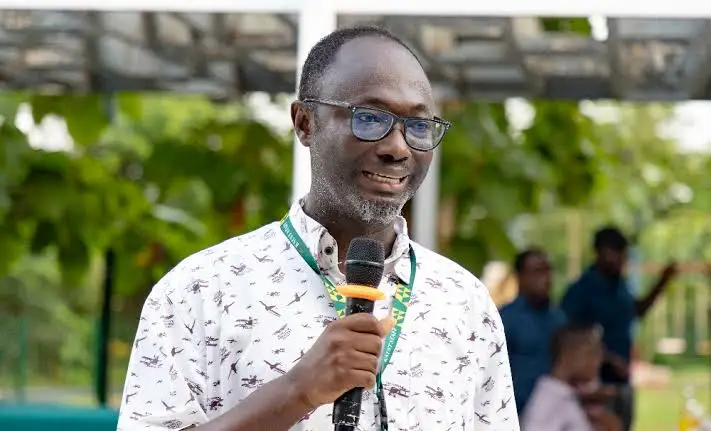
A senior lecturer at the Department of Physics, KNUST, Prof. Eric K. K. Abavare, has called on Ghanaians to firmly reject the recommendation by the Constitutional Review Committee to extend the presidential term from four to five years.
In an open appeal titled _“Reject the Extension of the Four-Year Presidential Term”_, Prof. Abavare said the proposal, which has been affirmed by President John Dramani Mahama, is “a solution in search of a problem” and a quiet erosion of accountability.
*Four-year term is global norm*
Prof. Abavare argued that the claim that four years is too short does not hold when viewed globally. He cited the United States, Brazil, Argentina, Colombia, Costa Rica, Kenya and Liberia as functioning democracies operating four-year presidential cycles while still planning and delivering public goods.
“If a four-year term can carry Washington, Nairobi and Brasilia, it can certainly carry Accra,” he wrote, adding that Ghana’s problem has been the quality of preparation and execution, not the length of the term.
*Aspirants must come prepared*
He said anyone seeking the presidency must be ready to govern from day one with manifestos, cabinet shortlists and a legislative agenda, and not ask for more time to set up government. Extending the term, he said, would be asking Ghanaians to underwrite unpreparedness with an extra year of unaccountable power.
*More time does not equal better performance*
According to him, there is no credible evidence that presidents with five or six-year terms deliver more roads, better schools or stronger currencies. Longer terms, he argued, often bring delayed reform, complacency and a wider window for mistakes to compound before voters can respond.
*Ten years too long for a failing president*
Prof. Abavare warned that with Ghana’s two-term limit, a five-year term would mean citizens could be locked into ten years of a non-performing administration, compared to eight years currently. He described it as a 25 percent expansion of risk for Ghanaians.
He also raised what he called an incentive problem, arguing that the longer a president sits in the first term, the harder it becomes to contemplate leaving after the second, making future arguments for extending term limits easier.
Advertisement
About the Author
Gladson Afriyie
Journalist at Ghana Ntentan
Gladson Afriyie covers the latest developments in Ghana and across Africa for Ghana Ntentan. With a focus on accurate reporting and in-depth analysis, they bring context and clarity to the stories that matter most to Ghanaians.