
Lands And Minerals Reform: KNUST UTAG President Backs Proposal To Strip President Of Control Over Public Lands
Gladson Afriyie
Journalist · Ghana Ntentan
Advertisement
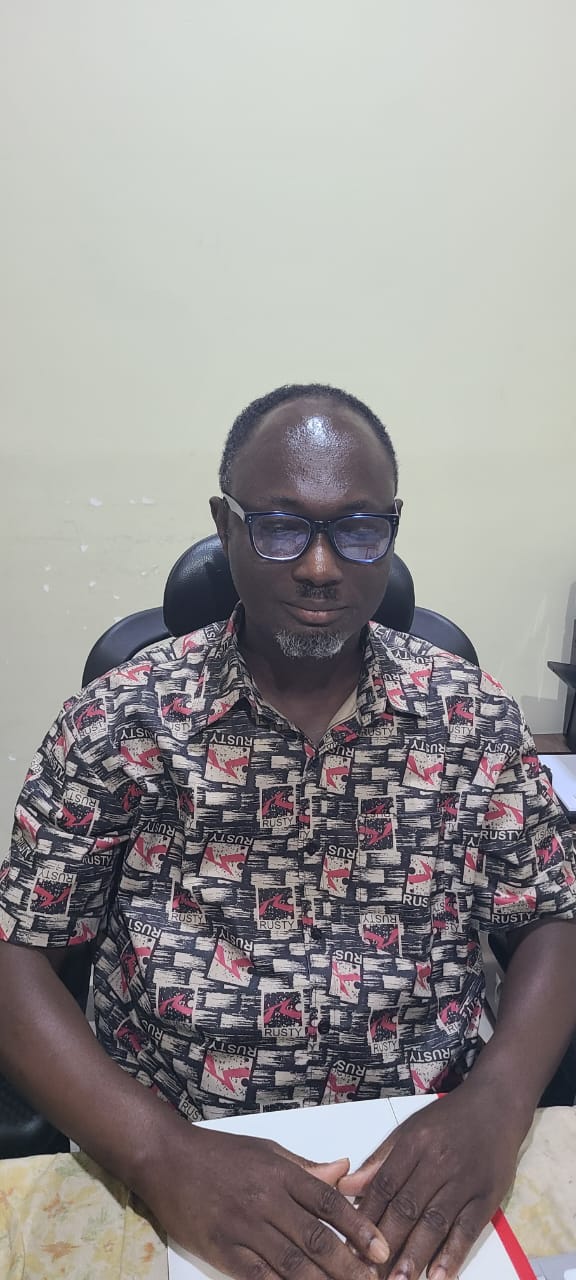
The President of the University Teachers Association of Ghana (UTAG), KNUST Chapter, Professor Eric KK Abavare, has thrown his weight behind proposals to fundamentally alter the ownership and management of Ghana's lands and natural resources.
In his Week 6 column titled "Lands, minerals and the commons: undoing the President's vesting," Prof. Abavare describes the current state of Ghana's environment as dire, citing the Pra River between Assin Fosu and Twifo Praso, which he says now runs "the colour of milky tea" with high turbidity, while large tracts of land and cocoa farms have been destroyed by excavators.
According to him, every one of those destructive transactions has "somewhere in its paperwork, a signature traceable to a decision made in Accra."
*Two Major Constitutional Changes Proposed*
Prof. Abavare says the Constitution Review Committee has proposed two changes with "seismic economic consequences."
First, the Committee proposes an amendment to *Article 257 to remove the vesting of public lands in the President* and vest them expressly in the people of Ghana.
"This is not word play. It changes the constitutional identity of every acre of state land from a presidential trust to a common inheritance; with the President and government reduced to trustees answerable to the true owners, which is us," he explained.
Second, he points to a proposed amendment to *Article 268* so that Parliament must approve every natural resource concession BEFORE it is signed and confirm it again after execution.
Prof. Abavare notes that this will be the reform mining and oil companies "will fight hardest," as it flips the current sequence where Parliament only rubber-stamps deals already signed and paid for.
"It ends the era of secret memoranda and stabilisation clauses that outlive the government that signed them by twenty years," he added.
*Call For Ecocide Law With Tough Penalties*
The KNUST don also highlighted a landmark criminal-law proposal in the review - the recognition of *ecocide* - the deliberate or reckless destruction of ecosystems - as a distinct crime.
He urged that the draft must not dilute the recommendation.
"In a country whose rivers are dying and whose forest reserves have been eaten from the inside out, the draft must not dilute this recommendation. It must carry mandatory minimum sentences. It must trigger asset forfeiture. And it must apply to corporate officers personally: the chief executive, the country manager, the on-site director; not just their companies," Prof. Abavare argued.
Advertisement
About the Author
Gladson Afriyie
Journalist at Ghana Ntentan
Gladson Afriyie covers the latest developments in Ghana and across Africa for Ghana Ntentan. With a focus on accurate reporting and in-depth analysis, they bring context and clarity to the stories that matter most to Ghanaians.