
"One Year After Obuasi: A Nation Still Choosing Gold Over Life" - UTAG President Eric Abavare
Gladson Afriyie
Journalist · Ghana Ntentan
Advertisement
Professor Eric K. K. Abavare, KNUST UTAG Chapter President, has marked one year since the August 6, 2025 helicopter crash in Obuasi with a scathing assessment of Ghana’s fight against illegal mining, saying the nation is "still choosing gold over life."
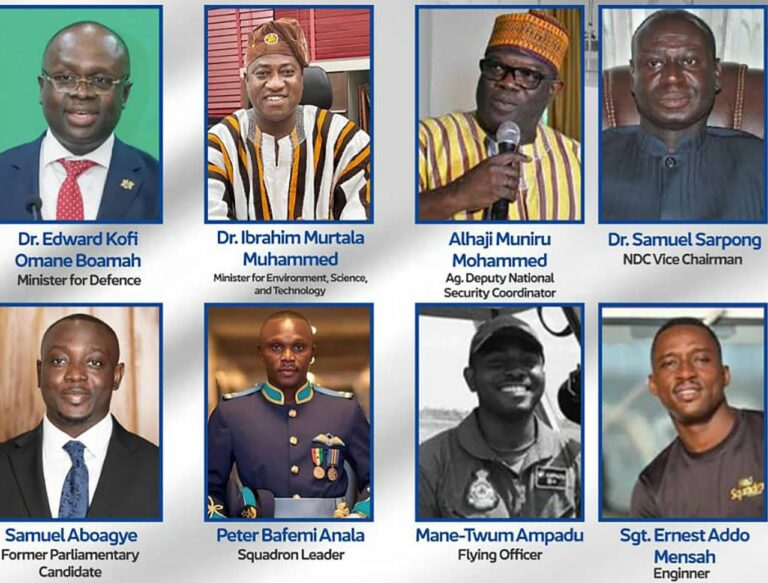
The Ghana Armed Forces Harbin Z-9 helicopter, which was carrying Defence Minister Dr. Edward Kofi Omane Boamah, Environment Minister Dr. Ibrahim Murtala Muhammed and six others, went down en route to an anti-illegal-mining event in Obuasi. All eight persons on board died.
In an Op-Ed released on August 6, 2026, Prof. Abavare asked: "Did anything actually change?"
"The rivers are still running brown. The turbidity readings from our waterways remain alarming," he stated. He said land reclamation promised after the crash has been "reduced to press releases" while dialysis centres in the Western and Ashanti Regions continue to fill with young patients whose kidneys have been destroyed by mercury, arsenic and lead from galamsey.
Prof. Abavare cited three key failures one year on:
Samreboi is still flooded whenever it rains because forest reserves upstream have been destroyed by illegal miners.
The Tarkwa–Damang corridor, where sections of the only viable road keep collapsing into abandoned mining pits, stranding commuters.
The Kwanyako Headworks, shut down repeatedly over the past year after intake pumps were choked by silt, leaving thousands in Efutu and surrounding communities without treated water.
"We have, in plain language, destroyed our own life-support system — our rivers, our forests, our farmlands, our air — in exchange for gold that we are told will 'support the economy,'" he wrote. "The wealth leaves. The contamination stays."
The KNUST UTAG Chairman also condemned what he called the "theatrical" role of some chiefs who publicly invoke river gods against galamsey "from whom many of them, directly or indirectly, still collect tribute."
"Has Ghana learned anything from the human and property losses of the past year? Judging by every available indicator: the pollution data, the collapse of basic infrastructure, the silence in the corridors of power; the answer is no," Prof. Abavare said.
He concluded that until Ghana values "the life of an ordinary Ghanaian at the same weight as the life of a minister," every anti-galamsey declaration will remain like the Obuasi mission: "a programme of responsibility that died on arrival."
Advertisement
About the Author
Gladson Afriyie
Journalist at Ghana Ntentan
Gladson Afriyie covers the latest developments in Ghana and across Africa for Ghana Ntentan. With a focus on accurate reporting and in-depth analysis, they bring context and clarity to the stories that matter most to Ghanaians.