
Walewale MP Hon. Kabiru Presses Gov’t on Cocoa Financing Plan for Indigenous LBCs Amid Syndicated Loan Doubts
Gladson Afriyie
Journalist · Ghana Ntentan
Advertisement
The Minister for Finance has been asked to outline alternative financing measures to support indigenous Licensed Buying Companies for the 2025/2026 cocoa seasons, amid uncertainty over COCOBOD’s traditional syndicated loan and seed fund arrangements.
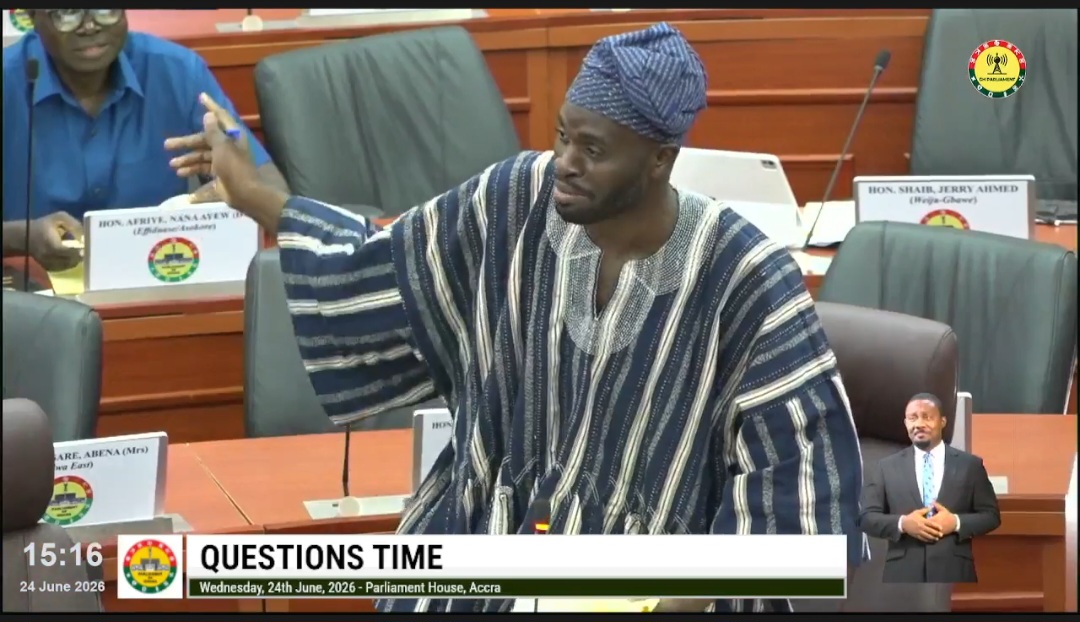
The question was raised in Parliament by Hon. Abdul Kabiru Tiah Mahama
Member of Parliament for Walewale seeking clarity on how local LBCs will be funded to purchase cocoa beans from farmers.
“I rise to ask the Minister for Finance the alternative financing measures being implemented to support indigenous license buying companies in the absence of syndicated loan and associated seed funding for the year twenty twenty-five and twenty twenty-six seasons,” Hon Kabiru said.
COCOBOD has historically relied on annual offshore syndicated loans to finance cocoa purchases. The facility provides seed money to LBCs, including indigenous firms, to buy beans at the start of each crop year.
However, financial pressures at COCOBOD and shifting global credit conditions have raised concerns about the availability of the syndicated facility for the upcoming seasons. Industry players warn that delays or shortfalls could disrupt bean purchases and affect farmer incomes.
Deputy Minister for Finance, Hon. Thomas Nyarko Ampem, says government has developed a new domestic funding model to support indigenous Licensed Buying Companies, following the breakdown of COCOBOD’s syndicated loan system.
Answering questions in Parliament from Hon. Abdul Kabiru Tiah Mahama, MP for Walewale, the Asuogyaman MP explained that the syndicated loan system “failed under the watch of the previous managers of COCOBOD after thirty-two years of successful implementation.”
Hon. Ampem told the House that COCOBOD has been running a “buyer-led pre-financing model” for the 2024/2025 and 2025/2026 cocoa seasons due to the collapse of the syndicated facility.
He noted the model is “entirely dependent on the buyers’ willingness to bear the financing cost and pre-finance the purchase of the cocoa.”
“The key motivation for buyers in the previous season was the rollover contracts which were priced at about two thousand six hundred and sixty-one dollars when the existing market prices were above eight thousand dollars per ton,” he said.
However, buyer appetite has waned now that “the gap between the rollover contracts and the market prices have closed and most of the rollover contracts have been serviced.”
Advertisement
About the Author
Gladson Afriyie
Journalist at Ghana Ntentan
Gladson Afriyie covers the latest developments in Ghana and across Africa for Ghana Ntentan. With a focus on accurate reporting and in-depth analysis, they bring context and clarity to the stories that matter most to Ghanaians.