
West African Power Pool: Ghana Leads Regional Energy Integration
Kojo Manuel
Journalist · Ghana Ntentan
Ghana leads the West African Power Pool initiative to create an integrated regional electricity market connecting 14 countries.
Advertisement
Ghana has emerged as a key player in the West African Power Pool, a regional initiative to create an integrated electricity market that connects 14 countries and promises to solve the chronic energy shortages that have constrained economic development across the region. Ghana's relatively strong power generation capacity and its strategic geographic position make it a linchpin in this ambitious infrastructure project.
The West African Power Pool aims to enable countries with surplus electricity to sell to their energy-deficient neighbors, reducing costs, improving reliability, and supporting the transition to cleaner energy sources. For Ghana, which has invested heavily in power generation — including the Akosombo and Bui hydroelectric dams and several thermal plants — the regional market represents an opportunity to monetize surplus capacity and recover investments.
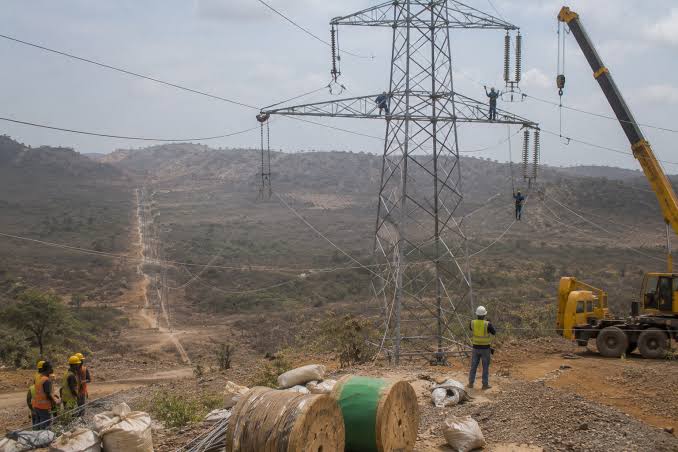
Interconnection infrastructure is being developed rapidly. A high-voltage transmission line connecting Ghana to Côte d'Ivoire has been operational, and new lines linking Ghana to Burkina Faso, Togo, and Benin are under construction or in advanced planning stages. Submarine cable connections are being explored to enable power trading with island nations and coastal countries.
The benefits extend beyond electricity trade. Regional integration enables countries to develop complementary energy portfolios — hydro from Ghana, solar from the Sahel countries, gas from Nigeria — creating a more diverse, resilient, and sustainable regional energy mix. It also reduces the need for each country to maintain expensive reserve generation capacity, lowering costs for consumers across the region.
Ghana's energy sector reforms have been instrumental in enabling participation in the regional market. The establishment of an independent grid operator, transparent tariff-setting mechanisms, and regulatory frameworks that protect both producers and consumers have created a model that other West African nations are studying and adapting.
The environmental implications are positive. By enabling greater use of renewable energy across a wider geographic area, the integrated grid reduces reliance on expensive and polluting diesel generators in energy-poor countries. Ghana's investment in solar and wind energy, combined with its existing hydroelectric capacity, positions it to be a significant exporter of clean electricity to the region.
Private sector investment has been attracted by the regional market opportunity. Independent power producers in Ghana have expanded capacity specifically to serve export markets, and international development finance institutions have provided favorable financing for interconnection infrastructure. The African Development Bank has described the West African Power Pool as one of the continent's most impactful infrastructure investments.
Advertisement
About the Author
Kojo Manuel
Journalist at Ghana Ntentan
Kojo Manuel covers the latest developments in Ghana and across Africa for Ghana Ntentan. With a focus on accurate reporting and in-depth analysis, they bring context and clarity to the stories that matter most to Ghanaians.