
Coding in the Classroom: Ghana's Ambitious Plan to Teach Every Child to Code
Kojo Manuel
Journalist · Ghana Ntentan
Ghana integrates coding education into the national curriculum, training 5,000 teachers and reaching students across all regions.
Advertisement
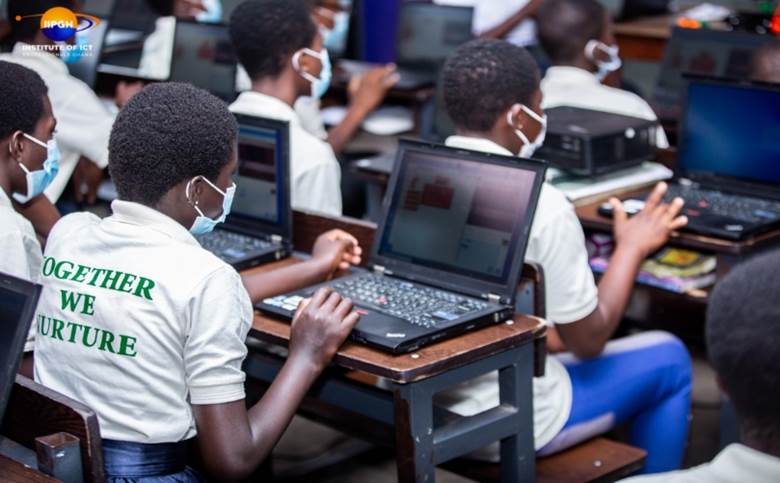
Ghana has launched an ambitious national initiative to integrate computer programming and computational thinking into the curriculum at every level of education, from primary school through senior high school. The program, developed in partnership with technology companies and educational experts, aims to equip every Ghanaian child with the digital skills needed to thrive in the 21st century economy.
The initiative recognizes that coding is not merely a vocational skill for future software engineers, but a form of literacy that develops logical thinking, problem-solving, and creativity — skills valuable in any career. The curriculum has been designed to be age-appropriate, starting with visual programming tools like Scratch for younger students and progressing to text-based languages like Python and JavaScript for older students.
Implementation has been supported by a comprehensive teacher training program. Over 5,000 teachers have completed intensive coding education workshops, with ongoing professional development provided through online platforms and regional training centers. The Ghana Education Service has established a dedicated Coding Education Unit to oversee curriculum development, resource distribution, and quality assurance.
The infrastructure challenge is significant but not insurmountable. While not every school has reliable internet access or dedicated computer labs, the program has adopted a hybrid approach. Offline coding platforms that run on basic computers and even tablets allow students to practice programming concepts without constant internet connectivity. Mobile coding labs — vans equipped with laptops and solar power — visit rural schools on rotating schedules to provide hands-on experience.
Private sector partnerships have been essential. Major technology companies have donated equipment, provided curriculum content, and offered mentorship programs connecting students with working software developers. A Ghanaian tech company has developed an offline coding education platform specifically designed for the Ghanaian context, featuring exercises and projects that reference local culture and challenges.
Early results are encouraging. In pilot schools, students have demonstrated remarkable creativity, developing applications that address local challenges such as waste collection scheduling, water quality monitoring, and agricultural market price tracking. A national coding competition for secondary school students attracted over 10,000 participants, with winning projects earning recognition and scholarship opportunities.
The initiative has also addressed the gender gap in technology education. Special programs targeting girls, including all-girls coding camps, female mentorship networks, and scholarships for girls pursuing technology studies, have resulted in girls comprising 45 percent of coding program participants — a figure that exceeds global averages for female participation in computer science education.
Advertisement
About the Author
Kojo Manuel
Journalist at Ghana Ntentan
Kojo Manuel covers the latest developments in Ghana and across Africa for Ghana Ntentan. With a focus on accurate reporting and in-depth analysis, they bring context and clarity to the stories that matter most to Ghanaians.