
Ghana Courts Investors At IMF-World Bank Meetings In Bangkok After Exiting $3bn Bailout
Gladson Afriyie
Journalist · Ghana Ntentan
Advertisement
Ghana is making a strong case to investors at the 2025 IMF-World Bank Annual Meetings in Bangkok, Thailand, as the country seeks to sustain confidence in its economy after exiting its US$3 billion bailout programme.
The meetings, scheduled for October 12 to 18, will be Ghana's first since moving from the IMF's Extended Credit Facility (ECF) to a non-financing Policy Coordination Instrument (PCI).
Unlike the ECF, the new PCI arrangement does not come with fresh funding. It rather focuses on policy monitoring, reform implementation and signalling credibility to investors and development partners.
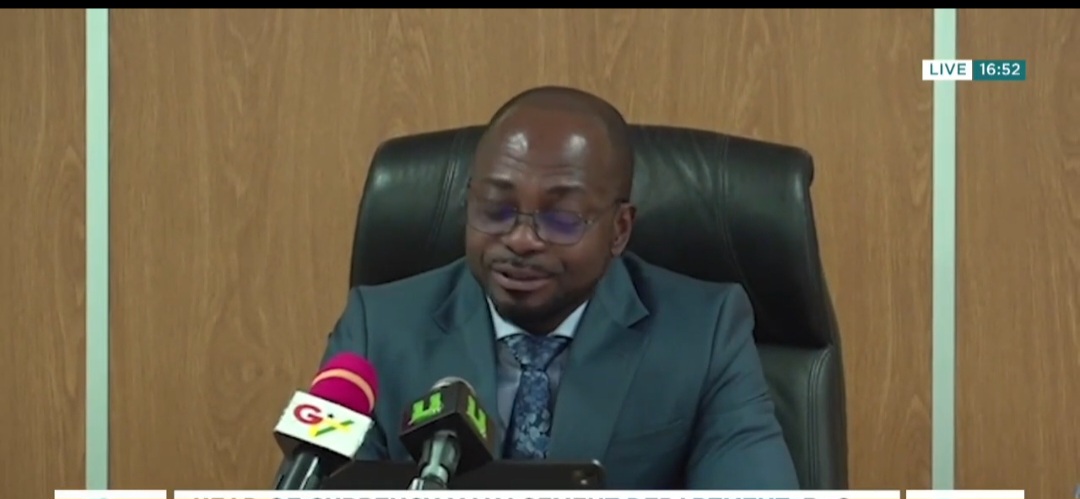
Officials from the Ministry of Finance and the Bank of Ghana are expected to hold joint and bilateral meetings with investor groups to update them on Ghana's economic outlook, outline government policy direction and pursue agreements where necessary.
The engagements come at a critical time for Ghana's recovery. The country has recorded progress under the IMF programme, but sustaining those gains will require strict fiscal discipline, prudent debt management and continued reforms without IMF disbursements.
A key test for Ghana in Bangkok will be to convince investors that its economic framework remains credible and that it can meet its financing needs without falling back on IMF money.
Investor sentiment will largely depend on government's ability to show concrete progress on fiscal targets, controlling expenditure, improving domestic revenue mobilisation and ensuring debt sustainability.
An IMF staff team visited Accra in mid-September to discuss the PCI framework, with further discussions expected in Bangkok on the reform benchmarks that will guide the new engagement.
Analysts say while continued engagement with the Fund can help reinforce policy credibility, it cannot replace sound fiscal management on its own. The value of the PCI will depend on the strength of its benchmarks and government's commitment to meet them.
Ghana's ability to maintain investor confidence will also affect its access to international capital markets and its borrowing costs. Clear policy direction and evidence of implementation could improve Ghana's risk profile, while any slippage could erode recent gains.
For government, the Bangkok meetings provide an opportunity to outline its medium-term fiscal outlook, debt strategy and measures to support private sector-led growth.
Advertisement
About the Author
Gladson Afriyie
Journalist at Ghana Ntentan
Gladson Afriyie covers the latest developments in Ghana and across Africa for Ghana Ntentan. With a focus on accurate reporting and in-depth analysis, they bring context and clarity to the stories that matter most to Ghanaians.