
Ghana's Free Senior High School Program: Five Years of Impact and Lessons Learned
Kojo Manuel
Journalist · Ghana Ntentan
Ghana's Free SHS program marks five years, enrolling 1.5 million additional students while navigating quality and sustainability challenges.
Advertisement
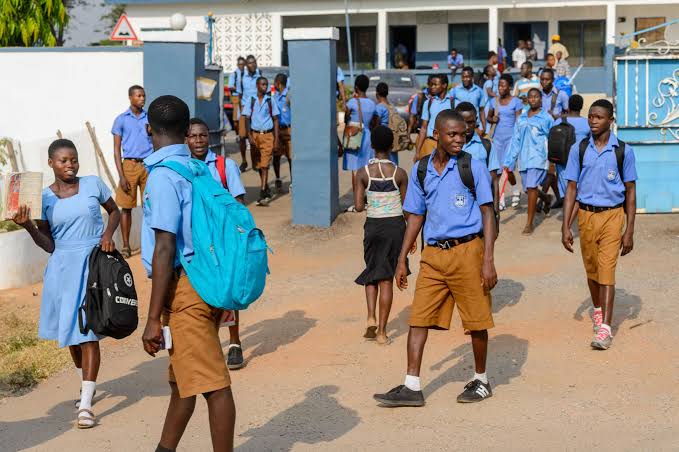
Five years after Ghana launched its landmark Free Senior High School policy, the program has enrolled over 1.5 million additional students who would otherwise have been unable to afford secondary education. The initiative, one of the most ambitious education reforms in Africa, has transformed access to education but continues to face challenges in quality, infrastructure, and sustainability.
The policy eliminated tuition fees, examination fees, textbook costs, and boarding charges for all students attending public senior high schools. For millions of Ghanaian families, particularly those in rural areas and low-income urban communities, the policy removed the most significant barrier to their children's education. Enrollment rates jumped from approximately 65 percent to over 90 percent of eligible students within the first two years.
The impact on gender equality has been particularly notable. Girls' enrollment in senior high school has increased disproportionately, as families who previously prioritized boys' education when resources were limited now send all their children to school. In some regions, girls now outnumber boys in senior high school enrollment, a reversal of historical patterns that educators and gender advocates celebrate as a major achievement.
However, the rapid expansion has strained existing infrastructure and resources. Overcrowded classrooms, insufficient dormitory space, and shortages of science equipment and textbooks have been persistent challenges. The government's double-track system — where students attend school in alternating shifts — has partially addressed infrastructure constraints but has drawn criticism from parents and teachers concerned about reduced instructional time.
Teacher recruitment and training have been accelerated to meet the increased demand. Over 20,000 new teachers have been employed, and existing teachers have received professional development training focused on managing larger, more diverse classrooms. However, teacher-pupil ratios remain above recommended levels in many schools, and teacher retention in rural areas continues to be a challenge.
The academic outcomes of the program are mixed but trending positively. West African Senior School Certificate Examination pass rates initially dipped as the expanded student body included many first-generation learners, but have shown steady improvement over the past three years. Critics who predicted a dramatic decline in education quality have been partially proven wrong, though significant disparities between well-resourced urban schools and under-resourced rural schools persist.
The economic case for the program remains compelling. Research consistently shows that each additional year of secondary education increases lifetime earnings by 10 to 15 percent and contributes to better health outcomes, lower fertility rates, and greater civic engagement. The World Bank has estimated that the Free SHS program could add 2 to 3 percent to Ghana's GDP over the next two decades through increased human capital.
Advertisement
About the Author
Kojo Manuel
Journalist at Ghana Ntentan
Kojo Manuel covers the latest developments in Ghana and across Africa for Ghana Ntentan. With a focus on accurate reporting and in-depth analysis, they bring context and clarity to the stories that matter most to Ghanaians.