
Mahama Urges Banks To Provide Long-Term Credit For Locally Assembled Cars
Gladson Afriyie
Journalist · Ghana Ntentan
Advertisement
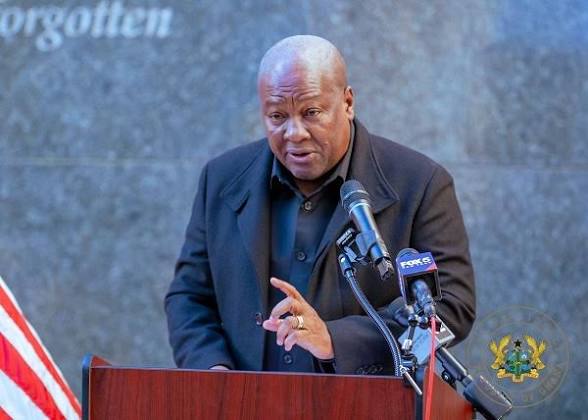
President John Dramani Mahama has urged banks and other financial institutions to introduce long-term financing schemes to help Ghanaians purchase locally assembled vehicles.
He said while Ghana is making progress with the establishment of vehicle assembly plants, that progress must be backed by affordable financing options that allow ordinary workers to own new cars.
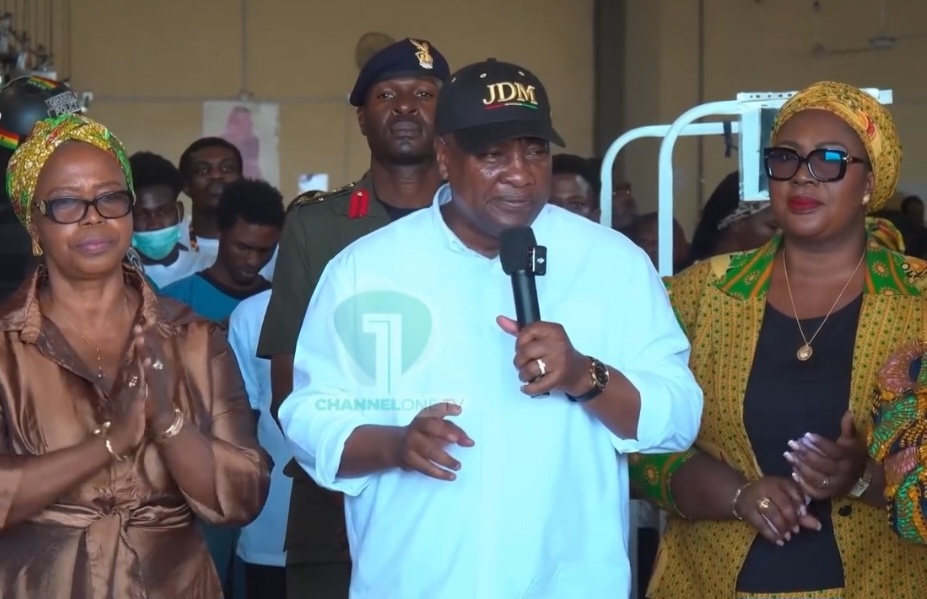
Speaking at the commissioning of the third phase of the Zonda Tec Ghana Assembly Plant on Tuesday, September 15, President Mahama said the key to boosting patronage of locally assembled cars lies with the banking sector.
According to him, many salaried workers, including public sector workers like doctors, teachers and nurses, and those in the private sector, would be able to afford brand new vehicles if flexible payment arrangements are available.
“It’s good to have these assembly plants producing cars locally, but we must create the instruments for Ghanaians to be able to purchase these cars. And this is where the banking sector comes in,” President Mahama said.
He called on banks to offer long-term credit facilities and hire purchase schemes that will allow workers to buy vehicles and spread payment over several years from their monthly salaries.
President Mahama assured that government is ready to work with stakeholders to make this possible.
“Government is ready to collaborate with the private sector, we’re ready to collaborate with the manufacturers, we’re ready to sit down with the banks and come out with financing instruments that allow people who are employed and engaged and receive an income to be able to take a car of their choice and pay monthly over a certain period until they have defrayed the cost of the vehicle,” he said.
Advertisement
About the Author
Gladson Afriyie
Journalist at Ghana Ntentan
Gladson Afriyie covers the latest developments in Ghana and across Africa for Ghana Ntentan. With a focus on accurate reporting and in-depth analysis, they bring context and clarity to the stories that matter most to Ghanaians.